
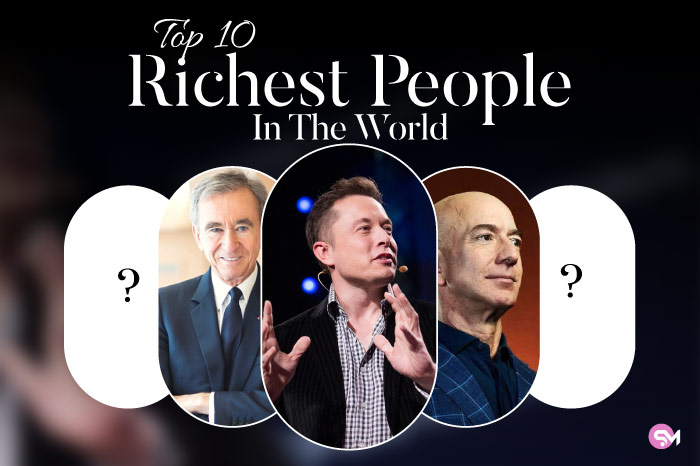
Elon Musk leads the 2026 billionaire list by a margin no one else comes close to matching. In the Forbes real-time wealth tracker reviewed for this update, his fortune sat near $946.7 billion, driven mainly by SpaceX and Tesla. So the number can move sharply with market prices. Larry Page, Sergey Brin, Jeff Bezos and Michael Dell complete the current top five. The biggest wealth pattern in 2026 is clear: technology, AI infrastructure, cloud computing, semiconductors and private space companies now dominate the global billionaire leaderboard.
The richest people in the world in 2026 are no longer led by old retail dynasties or luxury families. The top of the list now belongs to technology founders, AI infrastructure players, cloud empires, semiconductor leaders and private-space companies. Elon Musk sits far ahead of everyone else, with Forbes’ real-time billionaire tracker placing his fortune near $946.7 billion at the time of this update.
That number is not a bank balance. It is mostly ownership wealth tied to SpaceX, Tesla and other companies whose values can move sharply with markets. That is why this ranking should be read as a dated wealth snapshot, not a permanent scoreboard.
Last fact-checked: June 29, 2026. Net worth figures in this guide use Forbes Real-Time Billionaires as the primary ranking source. Billionaire fortunes change daily because most of this wealth is tied to stocks, private-company valuations, options, trusts, family holdings and market prices.
Who Is the Richest Person in the World in 2026?
Elon Musk is the richest person in the world in the Forbes real-time billionaire ranking reviewed for this article. In that snapshot, Forbes listed his net worth at about $960.3 billion, mainly from SpaceX and Tesla. Larry Page, Sergey Brin, Jeff Bezos and Michael Dell completed the top five.
Because billionaire wealth is mostly tied to company ownership, stock prices and private-company valuations, these figures can change daily.
Richest People in the World 2026 at a Glance
This table gives readers the full ranking first, before the deeper profiles. Figures are rounded and listed in U.S. dollars. Since Forbes updates billionaire wealth in real time, the order can change whenever major holdings such as SpaceX, Tesla, Alphabet, Amazon, Meta, Oracle, Nvidia, LVMH, Dell Technologies or Berkshire Hathaway move.
| Rank | Name | Estimated net worth | Main wealth source | Country |
|---|---|---|---|---|
| 1 | Elon Musk | $960.3B | SpaceX, Tesla | United States / South Africa |
| 2 | Larry Page | $284.8B | Google, Alphabet | United States |
| 3 | Sergey Brin | $262.7B | Google, Alphabet | United States |
| 4 | Jeff Bezos | $251.7B | Amazon, Blue Origin | United States |
| 5 | Michael Dell | $218.7B | Dell Technologies | United States |
| 6 | Mark Zuckerberg | $194.8B | Meta Platforms | United States |
| 7 | Larry Ellison | $193.2B | Oracle | United States |
| 8 | Jensen Huang | $167.2B | Nvidia | United States / Taiwan |
| 9 | Bernard Arnault & family | $150.4B | LVMH | France |
| 10 | Warren Buffett | $147.4B | Berkshire Hathaway | United States |
| 11 | Amancio Ortega | $139.7B | Zara, Inditex | Spain |
| 12 | Rob Walton & family | $135.1B | Walmart | United States |
| 13 | Jim Walton & family | $132.4B | Walmart | United States |
| 14 | Carlos Slim Helu & family | $124.5B | Telecom | Mexico |
| 15 | Alice Walton | $123.4B | Walmart | United States |
| 16 | Steve Ballmer | $123B | Microsoft, LA Clippers | United States |
| 17 | Michael Bloomberg | $109.4B | Bloomberg LP | United States |
| 18 | Changpeng Zhao | $106.9B | Cryptocurrency exchange | Canada |
| 19 | Bill Gates | $106B | Microsoft, investments | United States |
| 20 | Thomas Peterffy | $103.1B | Interactive Brokers | United States / Hungary |
Source note: Figures are based on the Forbes Real-Time Billionaires ranking reviewed for this update. Because billionaire wealth is market-based, these numbers should be treated as a dated snapshot.
What Changed in the 2026 Billionaire Ranking?
The 2026 billionaire list is shaped by one clear shift: technology is no longer just one category inside the ranking. It is the ranking. Musk, Page, Brin, Bezos, Dell, Zuckerberg, Ellison and Huang all sit near the top because investors are rewarding companies tied to AI, cloud infrastructure, semiconductors, enterprise software, private space, advertising platforms and global computing demand.
SpaceX changed the scale of Elon Musk’s fortune. AI infrastructure lifted Michael Dell, Larry Ellison and Jensen Huang. Alphabet’s AI and search strength pushed Larry Page and Sergey Brin higher. Meta’s advertising recovery and AI spending kept Mark Zuckerberg inside the top tier. Even Jeff Bezos, long after leaving the Amazon CEO role, remains close to the top because Amazon is still a cloud, retail, logistics and advertising giant.
Luxury and retail are still powerful, but they no longer dominate the very top. Bernard Arnault remains the leading luxury billionaire through LVMH. The Walton family remains one of the strongest retail fortunes in the world. But the 2026 list makes one thing obvious: the fastest wealth creation is happening where computing, infrastructure and market control meet.
- Michael Dell moved into the top five because Dell Technologies benefited from AI infrastructure demand.
- Jensen Huang remains top 10 because Nvidia is central to AI chips.
- Larry Page and Sergey Brin surged because Alphabet is tied to AI/search/cloud expectations.
- Musk’s fortune became unusually separated from everyone else because SpaceX and Tesla valuations moved sharply.
Business Insider reported Michael Dell became the fifth-richest person with about $216B, driven by Dell’s AI infrastructure surge and a major rise in Dell Technologies stock. (Business Insider)
Note: The figures mentioned in this article are accurate as of 29 June, 2026, and can fluctuate as per the market valuation of their companies.
1. Elon Musk
Estimated net worth: about $946.7 billion
Main source of wealth: SpaceX, Tesla, xAI, X, Neuralink and The Boring Company
Country: United States / South Africa
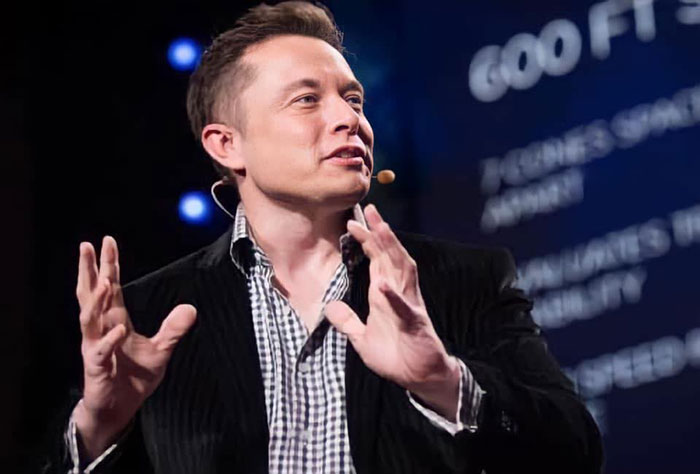
Elon Musk is the richest person in the world in the current Forbes real-time snapshot. His fortune is no longer just a Tesla story. SpaceX has become the biggest force behind his wealth after its 2026 public listing, while Tesla, xAI, X, Neuralink and The Boring Company add extra layers to the calculation.
Musk’s net worth can move by tens of billions of dollars in a single trading session because most of his wealth is ownership wealth, not salary. That is why estimates around how much money Elon Musk makes per second should be read as wealth-scale calculations, not literal cash income.
His 2026 wealth story is also linked to the trillionaire question. Musk briefly crossed the trillion-dollar line after SpaceX’s IPO, then moved back near or below it as SpaceX and Tesla shares pulled back. For the full breakdown, see Spolia’s guides to Elon Musk’s net worth and whether Elon Musk is still a trillionaire.
2. Larry Page
- Estimated net worth: $284.8 billion
- Main source of wealth: Google and Alphabet
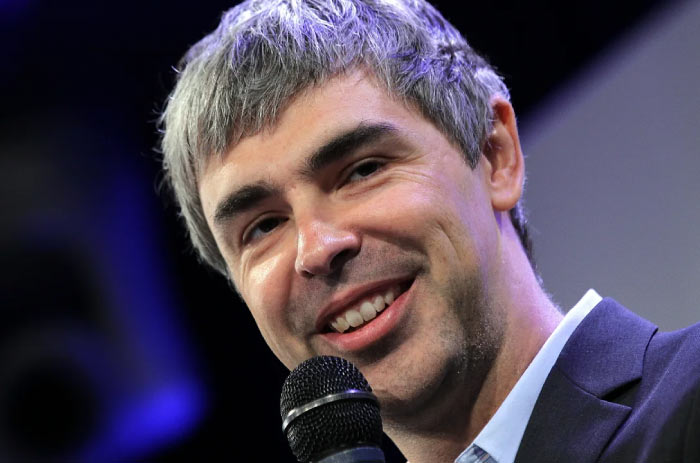
Larry Page ranks second because Alphabet remains one of the most valuable companies in the world. His fortune comes from the company he cofounded with Sergey Brin in 1998, but the 2026 version of that wealth story is not just about search anymore.
Alphabet sits at the center of several markets at once: Google Search, YouTube, Android, cloud computing, digital advertising and AI. When investors price Alphabet as a long-term AI and cloud winner, Page’s wealth rises with it. When regulators, search competition or AI spending pressure the company, his ranking can shift.
Page has stayed mostly out of public view compared with Elon Musk, Jeff Bezos or Mark Zuckerberg. That quieter profile does not make his fortune smaller. It makes it easier to miss how much Alphabet still controls across the internet economy. His place at No. 2 shows that search and AI infrastructure remain two of the strongest wealth engines in the world.
3. Sergey Brin
- Estimated net worth: $262.7 billion
- Main source of wealth: Google and Alphabet
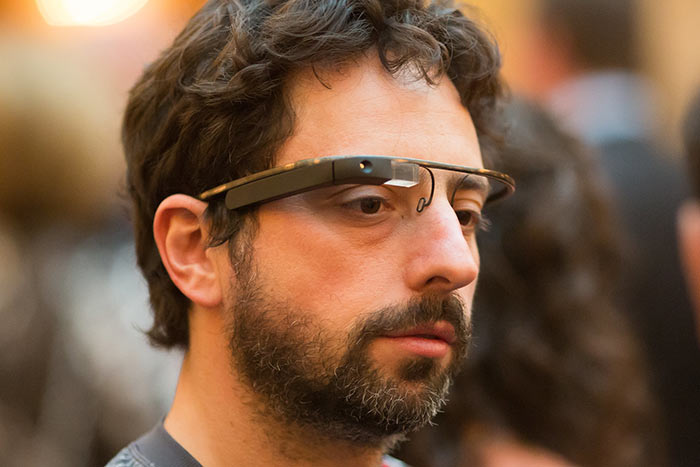
Sergey Brin sits right behind Larry Page because both fortunes are tied to Alphabet. Brin helped build Google from a Stanford research project into the company that became the default gateway to the web. That original ownership stake still carries his wealth decades later.
In 2026, Brin’s ranking is also an AI story. Alphabet’s valuation now depends not only on search ads, but also on whether the company can defend its search dominance while competing in generative AI, cloud services and enterprise tools. That makes Brin’s net worth highly sensitive to how markets judge Alphabet’s next phase.
Unlike founders who sell down aggressively or move into unrelated businesses, Brin’s wealth remains closely connected to one corporate empire. His fortune shows how powerful founder ownership can become when the original company keeps expanding into new markets instead of fading after its first major product.
4. Jeff Bezos
Estimated net worth: $251.7 billion
Main source of wealth: Amazon, Blue Origin and long-term investments
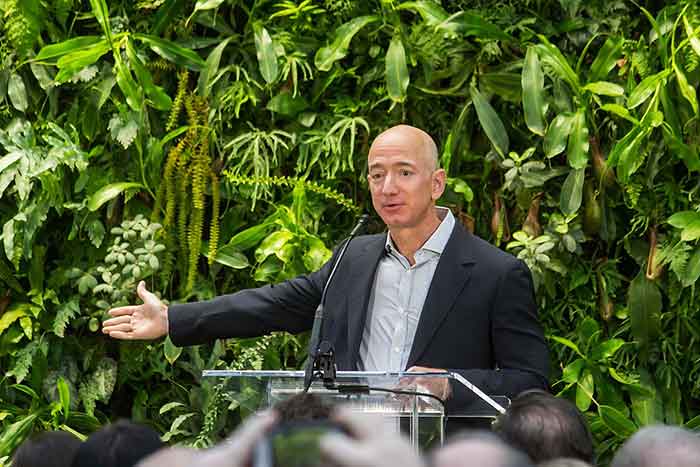
Jeff Bezos remains one of the richest people alive because Amazon is still one of the world’s most valuable companies. He no longer runs Amazon as CEO, but his wealth remains tied to the company’s stock, cloud business, advertising engine, logistics network and global retail scale.
Bezos’ fortune is different from Musk’s. Musk’s wealth has become more volatile because SpaceX and Tesla dominate the story. Bezos is tied to a more mature company with several powerful divisions, especially Amazon Web Services. That gives his wealth a steadier base, even though Amazon stock can still move sharply with earnings, cloud growth and market sentiment.
Bezos also owns Blue Origin, his private space company, and invests through Bezos Expeditions. His public life keeps him in the culture pages too, from real estate to yachts to high-profile events. Spolia covers that side separately in its guide to Jeff Bezos and Lauren Sanchez’s wedding cost. For a direct wealth comparison, read Elon Musk vs Jeff Bezos.
5. Michael Dell
Estimated net worth: $218.7 billion
Main source of wealth: Dell Technologies
Michael Dell is one of the clearest winners of the AI infrastructure boom. His rise is not built on social media attention or consumer hype. It is built on enterprise hardware, servers, storage and the physical systems companies need to run AI workloads.
Dell Technologies has become more important as corporations and cloud customers spend heavily on AI-ready infrastructure. That demand has lifted Dell’s market value and, with it, Michael Dell’s personal fortune. He still owns a large stake in the company he started as a teenager, which means the AI hardware cycle now directly affects his place among the richest people in the world.
His ranking matters because it shows that the AI boom is not only rewarding software founders or chip designers. It is also rewarding the people who sell the systems that make modern computing possible. Dell’s 2026 position is a reminder that infrastructure can be just as powerful a wealth engine as consumer technology.
6. Mark Zuckerberg
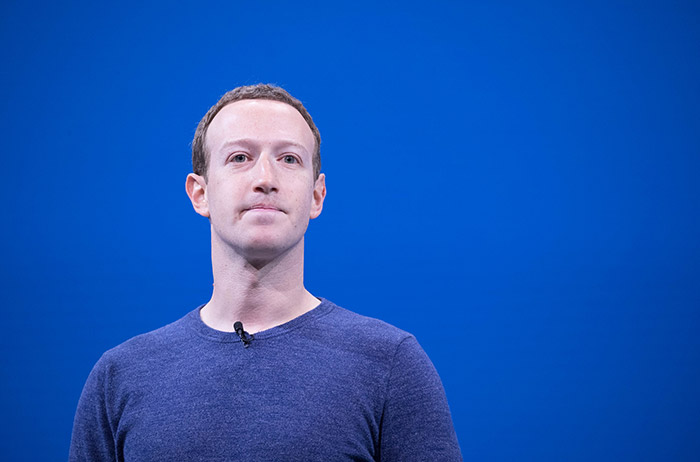
Estimated net worth: $194.8 billion
Main source of wealth: Meta Platforms
Mark Zuckerberg remains one of the youngest people near the top of the billionaire list. His fortune comes from Meta Platforms, the parent company of Facebook, Instagram, WhatsApp and Meta’s AI and mixed-reality efforts.
The market has changed how it reads Zuckerberg. A few years ago, investors were focused on the cost of the metaverse push and the pressure on Meta’s ad business. In 2026, the conversation is broader. Meta is still an advertising giant, but it is also building AI systems, smart glasses, creator tools and platform infrastructure that keep users and advertisers inside its ecosystem.
Zuckerberg’s wealth is stock-based, which means it can move quickly when Meta rises or falls. His fortune is not about salary. It is about founder ownership in one of the most profitable attention businesses ever built. For income-scale context, Spolia also explains how much Mark Zuckerberg makes in a day.
7. Larry Ellison
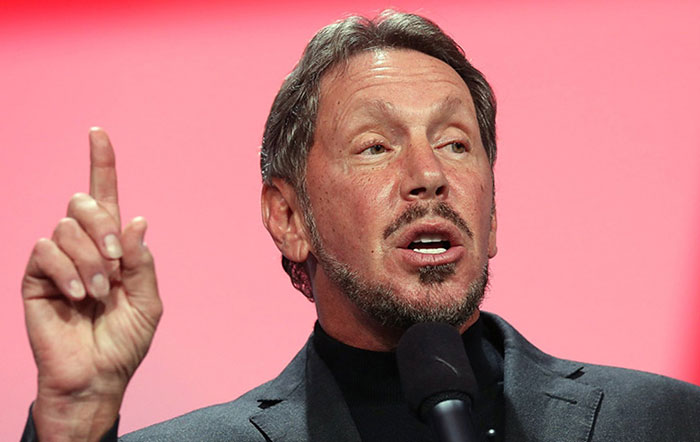
- Estimated net worth: $193.2 billion
- Main source of wealth: Oracle
Larry Ellison is the strongest example of an older enterprise-software fortune finding new momentum in the AI era. Oracle has been around for decades, but its cloud infrastructure business and enterprise AI positioning have made the company more relevant to investors again.
Ellison’s wealth comes mainly from his Oracle stake. That makes his ranking sensitive to how markets value Oracle’s cloud contracts, database business and role in AI computing. When investors believe Oracle can compete for enterprise AI workloads, Ellison’s fortune rises. When cloud expectations cool, the number can fall.
His wealth story is also unusual because it blends software, cloud infrastructure and a large personal real-estate footprint, including his well-known ownership of most of the Hawaiian island of Lanai. In the 2026 list, Ellison shows that the AI boom is not limited to new companies. It can also revive long-established technology empires.
8. Jensen Huang

Estimated net worth: $167.2 billion
Main source of wealth: Nvidia
Jensen Huang is the face of the AI hardware era. He cofounded Nvidia in 1993, long before the company became the backbone of modern AI computing. Nvidia started with graphics processors known for gaming. It became one of the world’s most important companies because those chips also turned out to be essential for data centers, machine learning and generative AI.
Huang’s fortune is tied directly to Nvidia’s rise. When cloud providers, startups, governments and major corporations race to buy AI chips, Nvidia benefits. When investors worry about AI spending, competition or supply constraints, Huang’s net worth can move quickly.
His place in the top 10 shows how much the billionaire map has changed. A decade ago, chipmakers were often treated as technical suppliers behind bigger consumer brands. In 2026, Nvidia is one of the companies defining the global economy, and Huang’s wealth reflects that shift.
9. Bernard Arnault & Family
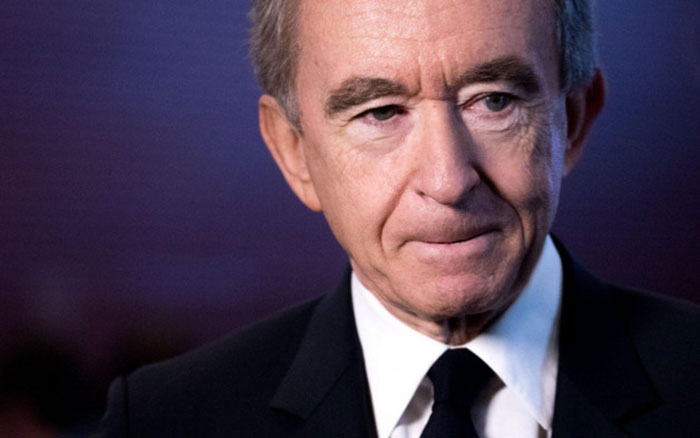
Estimated net worth: $150.4 billion
Main source of wealth: LVMH
Bernard Arnault remains the leading luxury billionaire in the world. His fortune comes from LVMH, the group behind Louis Vuitton, Dior, Tiffany & Co., Sephora, Moët & Chandon and several other luxury houses.
Arnault’s wealth is built differently from most of the tech fortunes above him. It depends on brand power, pricing discipline, fashion cycles, jewelry demand, cosmetics, travel retail and the spending strength of high-income consumers in the United States, Europe, China and other luxury markets.
His place in the top 10 matters because it keeps luxury inside a ranking now dominated by technology. LVMH does not move like Nvidia, SpaceX or Meta. It moves with consumer confidence, global luxury demand and the ability of its brands to stay culturally desirable while charging premium prices. Arnault’s fortune proves that old-world luxury can still compete with new-world technology, even if tech now controls the top of the list.
10. Warren Buffett
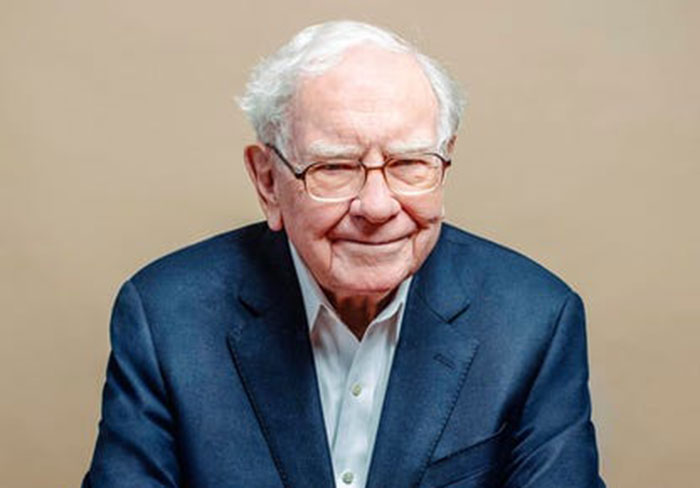
- Estimated net worth: $147.4 billion
- Main source of wealth: Berkshire Hathaway
Warren Buffett rounds out the top 10 with a fortune built on patience, discipline and compounding. Unlike Musk, Huang, Zuckerberg or Page, Buffett did not build his wealth through a modern technology platform. He built it through Berkshire Hathaway, a holding company with insurance operations, railroads, energy assets, operating businesses and a large public-stock portfolio.
Buffett’s ranking is important because it represents a different path to extreme wealth. He is not a founder chasing hypergrowth. He is an investor who turned capital allocation into a lifelong machine. Berkshire’s value reflects decades of buying businesses, holding strong companies and letting time do much of the work.
His fortune can still move with Berkshire’s stock price, but the story is steadier than most tech fortunes. Buffett remains the list’s clearest example of wealth created through long-term investing rather than product cycles, IPOs or AI market momentum. For scale, Spolia also breaks down how much money Warren Buffett makes a day.
The Next 10 Richest People in the World
The top 10 gets the most attention, but the next 10 tells the fuller wealth story. This group brings in retail dynasties, telecom, private finance, crypto, old technology money and brokerage infrastructure. It also helps explain why a top 20 list gives more value than a basic top 10 ranking.
11. Amancio Ortega
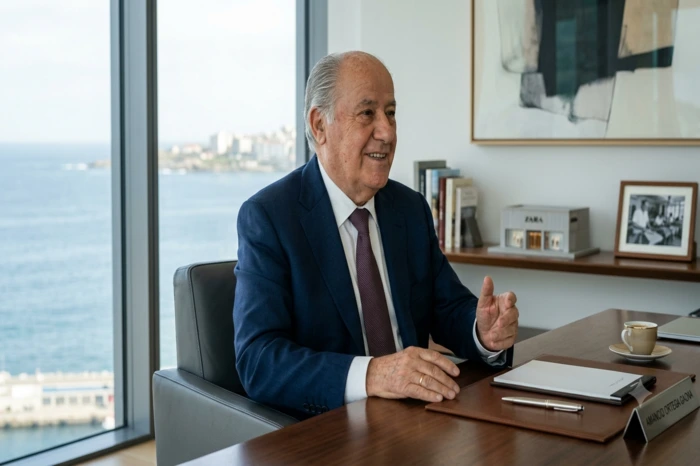
Estimated net worth: $139.7 billion
Main source of wealth: Zara and Inditex
Amancio Ortega built one of the world’s strongest fashion-retail fortunes through Inditex, the parent company of Zara. His wealth is tied to fast fashion, global store networks, supply-chain speed and real estate. Ortega’s ranking shows that retail can still produce top-tier wealth when a founder keeps a large ownership stake in a company with global scale.
12. Rob Walton & Family
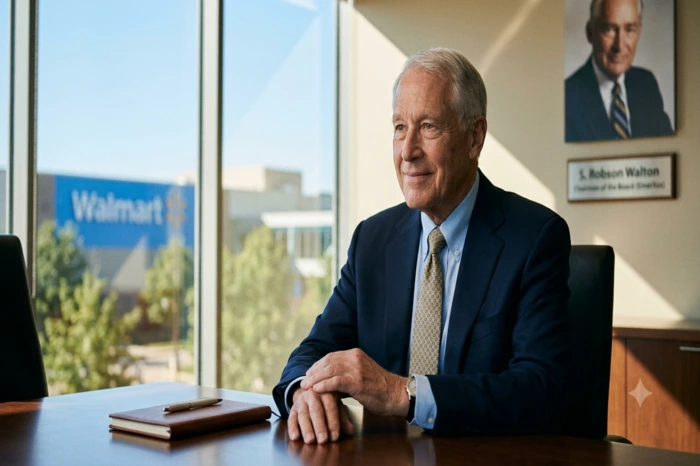
Estimated net worth: $135.1 billion
Main source of wealth: Walmart
Rob Walton’s fortune comes from Walmart, the retail giant founded by his father, Sam Walton. His wealth is part of one of the largest family fortunes in history. The Walton names appear several times in the top 20 because Walmart ownership is spread across family members instead of concentrated in one person.
13. Jim Walton & Family
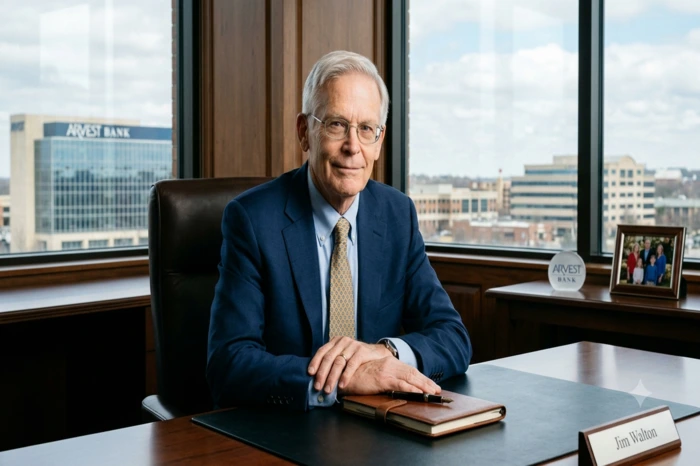
Estimated net worth: $132.4 billion
Main source of wealth: Walmart
Jim Walton is another major holder of Walmart family wealth. His ranking reflects the durability of Walmart’s model: scale, groceries, logistics, U.S. retail dominance and global operations. While tech names dominate the very top, the Waltons show how a retail fortune can remain enormous across generations.
14. Carlos Slim Helu & Family
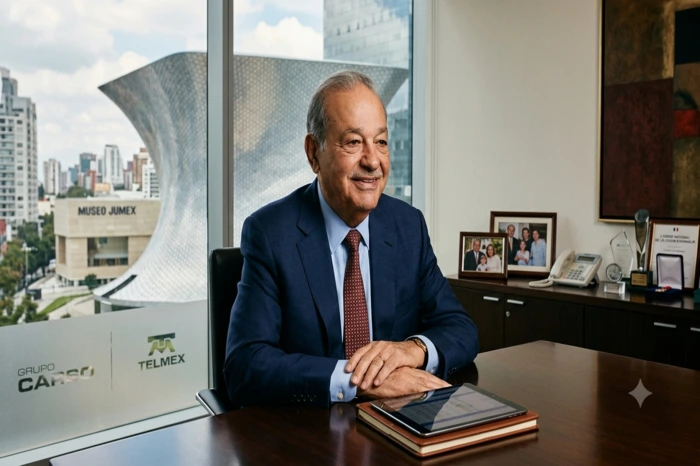
Estimated net worth: $124.5 billion
Main source of wealth: Telecom and investments
Carlos Slim Helu built his fortune through telecom, especially América Móvil, along with investments across banking, infrastructure, retail and industrial businesses. His place in the top 20 shows the staying power of network businesses. Telecom may not have the same market excitement as AI, but infrastructure that millions rely on can still create extraordinary wealth.
15. Alice Walton

Estimated net worth: $123.4 billion
Main source of wealth: Walmart
Alice Walton is one of the richest women in the world. Her fortune comes from Walmart family ownership, not from running the company day to day. Her ranking is useful for readers searching beyond the headline question because it answers another common query: who is the richest woman in the world?
16. Steve Ballmer
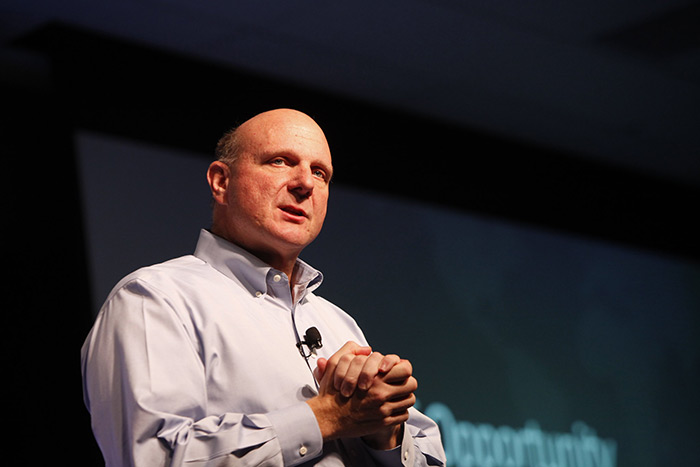
Estimated net worth: $123 billion
Main source of wealth: Microsoft and the Los Angeles Clippers
Steve Ballmer’s fortune comes mainly from Microsoft, where he served as CEO after Bill Gates. His wealth has grown with Microsoft’s long rise across cloud computing, enterprise software, AI and productivity tools. He also owns the Los Angeles Clippers, making him one of the clearest bridges between technology wealth and sports ownership.
17. Michael Bloomberg
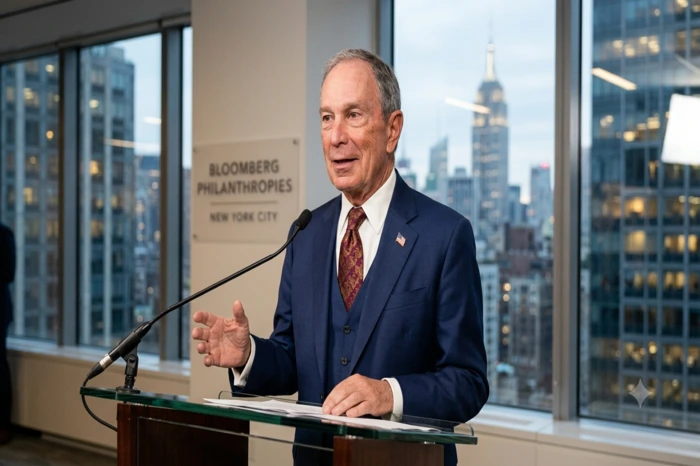
Estimated net worth: $109.4 billion
Main source of wealth: Bloomberg LP
Michael Bloomberg built his fortune through Bloomberg LP, the financial data and media company used across Wall Street and global markets. His ranking shows how valuable financial information infrastructure can be. Bloomberg is not a consumer-tech billionaire in the usual sense, but his company sits inside the daily workflow of finance professionals around the world.
18. Changpeng Zhao
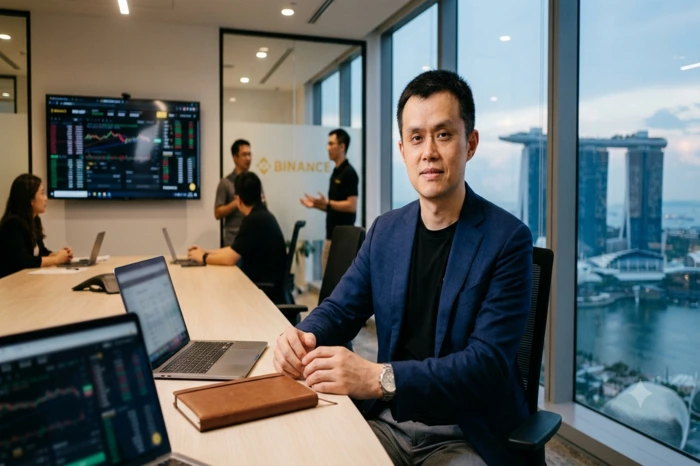
Estimated net worth: $106.9 billion
Main source of wealth: Cryptocurrency exchange
Changpeng Zhao, often known as CZ, is the highest-ranking crypto figure in the top 20. His wealth is tied to cryptocurrency exchange ownership and the broader digital-asset market. His ranking can be more volatile than many traditional fortunes because crypto valuations, exchange activity and regulation can shift quickly.
19. Bill Gates
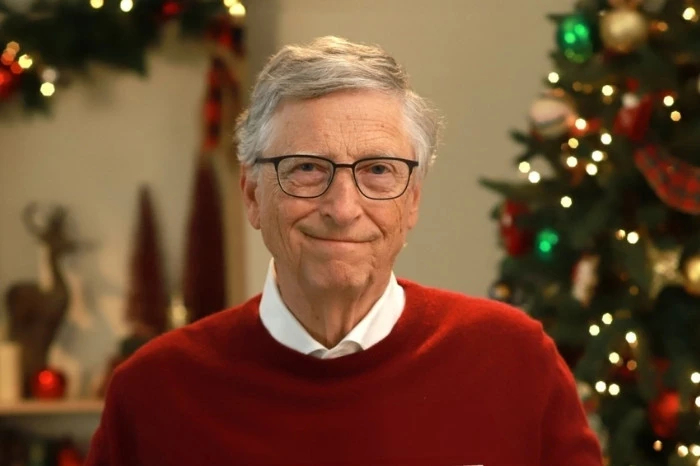
Estimated net worth: $106 billion
Main source of wealth: Microsoft and investments
Bill Gates remains in the top 20 decades after building Microsoft into one of the world’s most important companies. His fortune is now more diversified than it once was, shaped by Microsoft wealth, investments and philanthropy. Gates no longer sits near the very top as consistently as he once did, but his presence shows how durable Microsoft-created wealth remains.
20. Thomas Peterffy
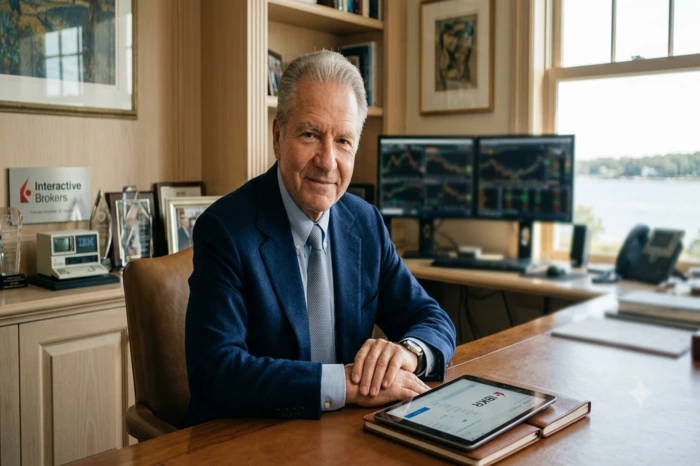
Estimated net worth: $103.1 billion
Main source of wealth: Interactive Brokers
Thomas Peterffy built his fortune through Interactive Brokers and electronic trading infrastructure. His wealth is less famous than Musk’s, Bezos’ or Zuckerberg’s, but it reflects a powerful theme: the systems behind markets can be just as valuable as the companies that dominate consumer attention. Brokerage technology, automation and market access made Peterffy one of the richest people in the world.
Richest People by Industry
| Industry | Key names in the top 20 | What it shows |
|---|---|---|
| Technology, AI and cloud | Elon Musk, Larry Page, Sergey Brin, Michael Dell, Mark Zuckerberg, Larry Ellison, Jensen Huang, Steve Ballmer, Bill Gates | Technology is the dominant wealth engine in 2026. |
| Retail and family wealth | Rob Walton, Jim Walton, Alice Walton, Amancio Ortega | Retail fortunes still compound, especially when family ownership remains large. |
| Luxury | Bernard Arnault & family | Brand power still creates enormous wealth, but luxury is no longer the top force. |
| Finance, data and brokerage | Michael Bloomberg, Thomas Peterffy | Financial information and market infrastructure remain powerful wealth builders. |
| Telecom and crypto | Carlos Slim Helu, Changpeng Zhao | Network businesses and digital-asset platforms still produce top-tier fortunes. |
Why This 2026 Ranking Looks So Different From the Annual Forbes List
The annual Forbes Billionaires List is a fixed snapshot, while the Forbes Real-Time Billionaires ranking moves with markets. That is why Elon Musk can appear at one figure in the annual list and a much higher or lower figure in a real-time update. In 2026, SpaceX, Tesla, Alphabet, Amazon, Dell Technologies, Oracle, Nvidia and Meta created unusually large daily swings near the top of the ranking.
Forbes vs Bloomberg: Why Billionaire Trackers Disagree
Forbes and Bloomberg often rank the same people differently because they do not always value wealth at the same time or in the same way. A billionaire’s fortune may include public shares, private-company stakes, options, pledged shares, family trusts, foundations, cash, debt and assets that are not fully visible to outsiders.
Private companies create the biggest differences. SpaceX is a good example. A new market price, financing round, tender offer or public listing can add or remove hundreds of billions from Elon Musk’s estimated fortune. That does not mean Musk received that amount in cash. It means the market changed the estimated value of what he owns.
This is why Spolia treats the ranking as a dated estimate, not a fixed fact. Forbes is used as the primary source for the table, while Bloomberg-linked reporting, Reuters, Investopedia, Barron’s and other financial sources are useful for explaining major movements.
| Tracker | Best For | Why Numbers Differ |
|---|---|---|
| Forbes Real-Time Billionaires | Public-facing billionaire ranking and daily wealth movement | Uses Forbes valuation methods, public holdings and estimated private assets |
| Bloomberg Billionaires Index | Market-linked daily wealth tracking | May value private stakes, stock moves and timing differently |
| Annual Forbes Billionaires List | Historical yearly comparison | Uses a fixed annual snapshot, not the live real-time number |
Why Billionaire Net Worth Changes Every Day
These rankings are not salary rankings. They are ownership rankings.
Most billionaires on this list do not earn their fortune through yearly paychecks. Their wealth comes from owning large pieces of companies. When those companies become more valuable, the billionaire becomes richer on paper. When the stock falls, the billionaire becomes poorer on paper.
That is why Elon Musk, Jensen Huang, Larry Ellison, Mark Zuckerberg and Michael Dell can gain or lose billions quickly. Their wealth is tied to investor expectations about the future of SpaceX, Tesla, Nvidia, Oracle, Meta, Dell Technologies and other businesses. The same is true for Jeff Bezos with Amazon, Bernard Arnault with LVMH and Warren Buffett with Berkshire Hathaway.
Beyond the Top 10: Retail, Finance, Crypto and Family Wealth
The names outside the top 10 add balance to a list now dominated by technology. Amancio Ortega represents fast-fashion retail through Zara and Inditex. Rob Walton, Jim Walton and Alice Walton show the scale of Walmart’s family fortune. Carlos Slim Helu brings telecom infrastructure into the ranking, while Steve Ballmer and Bill Gates show how Microsoft-created wealth continues to compound across generations of technology.
Michael Bloomberg and Thomas Peterffy represent financial data, brokerage technology and market infrastructure. Changpeng Zhao brings crypto wealth into the top 20. These fortunes matter because they show that the world’s richest people are not all built from the same model. AI and technology dominate the top, but retail, finance, telecom, crypto and inherited family ownership still hold enormous ground.
FAQs About the Richest People in the World
Elon Musk is the richest person in the world in the Forbes real-time ranking reviewed for this guide. His fortune is driven mainly by SpaceX and Tesla, which means the number can move sharply with market prices.
The current top five are Elon Musk, Larry Page, Sergey Brin, Jeff Bezos and Michael Dell, based on the Forbes real-time ranking reviewed for this update.
Musk’s wealth is unusually large because he owns major stakes in SpaceX and Tesla. SpaceX’s 2026 public-market valuation pushed his fortune into a different tier from other billionaires.
As per the Forbes, Alice Walton was the highest-ranked woman on the list.
Billionaire rankings change because most billionaire wealth is tied to stocks, private-company stakes, options and family holdings. A market move in Tesla, SpaceX, Alphabet, Amazon, Nvidia, Meta, Oracle, LVMH or Berkshire Hathaway can change the order quickly.
No. Billionaire net worth is mostly ownership wealth, not salary. A founder can become richer when the value of their company rises, even if their annual salary is small.
Sources and Methodology
This guide uses Forbes Real-Time Billionaires as the primary ranking source, checked June 29, 2026. Net worth figures are public estimates, not confirmed personal balance sheets. We use a dated snapshot because billionaire fortunes change daily with stock prices, private-company valuations, options, trusts, family holdings and market movements.
- Forbes Real-Time Billionaires
- Forbes: The Top 10 Richest People in the World
- Investopedia: Elon Musk no longer trillionaire after SpaceX retreat
- Business Insider: Elon Musk has broken the rich list
- Forbes: 2026 World’s Billionaires facts and figures
Editor’s note: The order and numbers in this article may change quickly. This guide should be read as a dated Forbes-based wealth ranking, not a permanent list.
The Bottom Line
The world of the rich is fascinating as it is distant. It is always interesting to know who is at the top and who bit the dust. The rise and fall of these companies is a great lesson in finance for us all.
Images from: Wikimedia Commons