
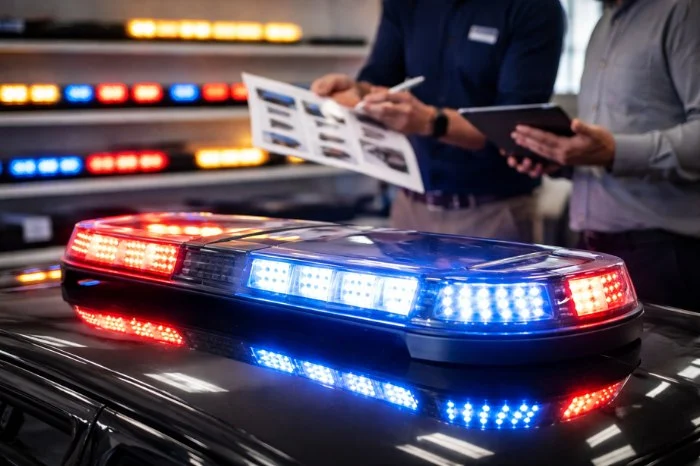
When it comes to emergency vehicle equipment, selecting the right light bars isn’t just about compliance – it’s about ensuring safety and reliability when it matters most. How do I choose a reputable brand or manufacturer for emergency light bars?
Look for manufacturers with SAE and DOT certifications, a minimum 3-year warranty, and positive reviews from law enforcement or emergency response agencies. Leading brands like Whelen, Federal Signal, and Code 3 have established track records spanning decades.
While these basic criteria are important, there’s much more to consider before making your final decision. From specific light output requirements for different jurisdictions to compatibility with your vehicle’s electrical system, understanding the complete picture will help you make the best choice for your particular needs
Also Read: Best Convertible Electric Cars to Buy
What Specific Light Output Requirements Should I Look For?
Different jurisdictions have varying requirements for emergency light bars, particularly regarding candela (brightness) and flash patterns. For example, many states require a minimum of 100,000 candela for primary warning lights during daylight hours. SAE J845 and J595 standards outline specific requirements for color, flash rate, and light distribution patterns that reputable manufacturers must meet.
Additionally, light output requirements often vary based on the type of emergency vehicle. Ambulances typically need to meet KKK-A-1822 specifications, while police vehicles might need to comply with different state-specific regulations. Always check your local requirements before making a purchase.
How Do I Ensure Compatibility With My Vehicle’s Electrical System?
Emergency light bars can draw significant power, typically between 10-40 amps depending on the size and features. Your vehicle’s electrical system needs to be able to handle this load without compromising other essential functions. Most modern emergency vehicles come with a heavy-duty electrical system, but older or civilian vehicles may need upgrades.
Consider factors like alternator output, battery capacity, and existing electrical loads. A good rule of thumb is to ensure your alternator has at least 20% more capacity than your total electrical load. This is particularly important for installations like an LED visor light bar, which requires precise electrical integration with the vehicle’s existing systems.
What Warranty And Support Features Should I Expect From A Quality Manufacturer?
Top-tier emergency light bar manufacturers typically offer comprehensive warranties ranging from 3-5 years, with some offering lifetime warranties on LED components. However, the warranty is only as good as the company’s ability to honor it. Look for manufacturers with established service networks and readily available replacement parts.
Technical support is equally important. Leading manufacturers provide detailed documentation, installation guides, and direct access to technical support staff. They should also offer training resources and certification programs for installers. This level of support indicates a manufacturer’s commitment to their products and customers’ safety.
What Features Distinguish High-Quality Emergency Light Bars From Lower-End Models?
Premium emergency light bars often incorporate advanced optics, including Total Internal Reflection (TIR) technology, which maximizes light output while minimizing power consumption. They typically feature higher-grade materials like impact-resistant polycarbonate lenses and aircraft-grade aluminum housings, rather than cheaper plastic components that can degrade quickly.
Another key differentiator is the sophistication of the control systems. Higher-end models often include programmable flash patterns, GPS synchronization capabilities, and integration with vehicle systems. They also tend to have better heat management systems, which is crucial for LED longevity and performance in extreme conditions.
How Can I Verify A Manufacturer’s Reputation Beyond Their Marketing Claims?
One of the most reliable ways to evaluate a manufacturer’s reputation is to check with professional organizations like the Emergency Vehicle Lighting and Equipment Alliance (EVLEA) or the Fire Apparatus Manufacturers’ Association (FAMA). These organizations maintain standards and can provide valuable insights into manufacturer reliability.
It’s also worth consulting with local emergency vehicle upfitters and maintenance facilities. These professionals work with various brands daily and can provide real-world feedback about reliability, service support, and common issues. Additionally, many departments share their experiences on professional forums and industry publications, which can offer unbiased perspectives on different manufacturers’ products and service quality.
Ask manufacturers for references from similar agencies or departments in your region. Reputable companies should be able to provide contact information for satisfied customers who can speak about their experiences with both the products and the company’s support services.
Conclusion
Now that you understand what makes a reputable emergency light bar manufacturer, start by creating a checklist of your specific needs, including your jurisdiction’s requirements and vehicle specifications. Armed with this information, reach out to at least three of the established manufacturers mentioned earlier to compare their offerings and support services against your requirements before making your final decision.