

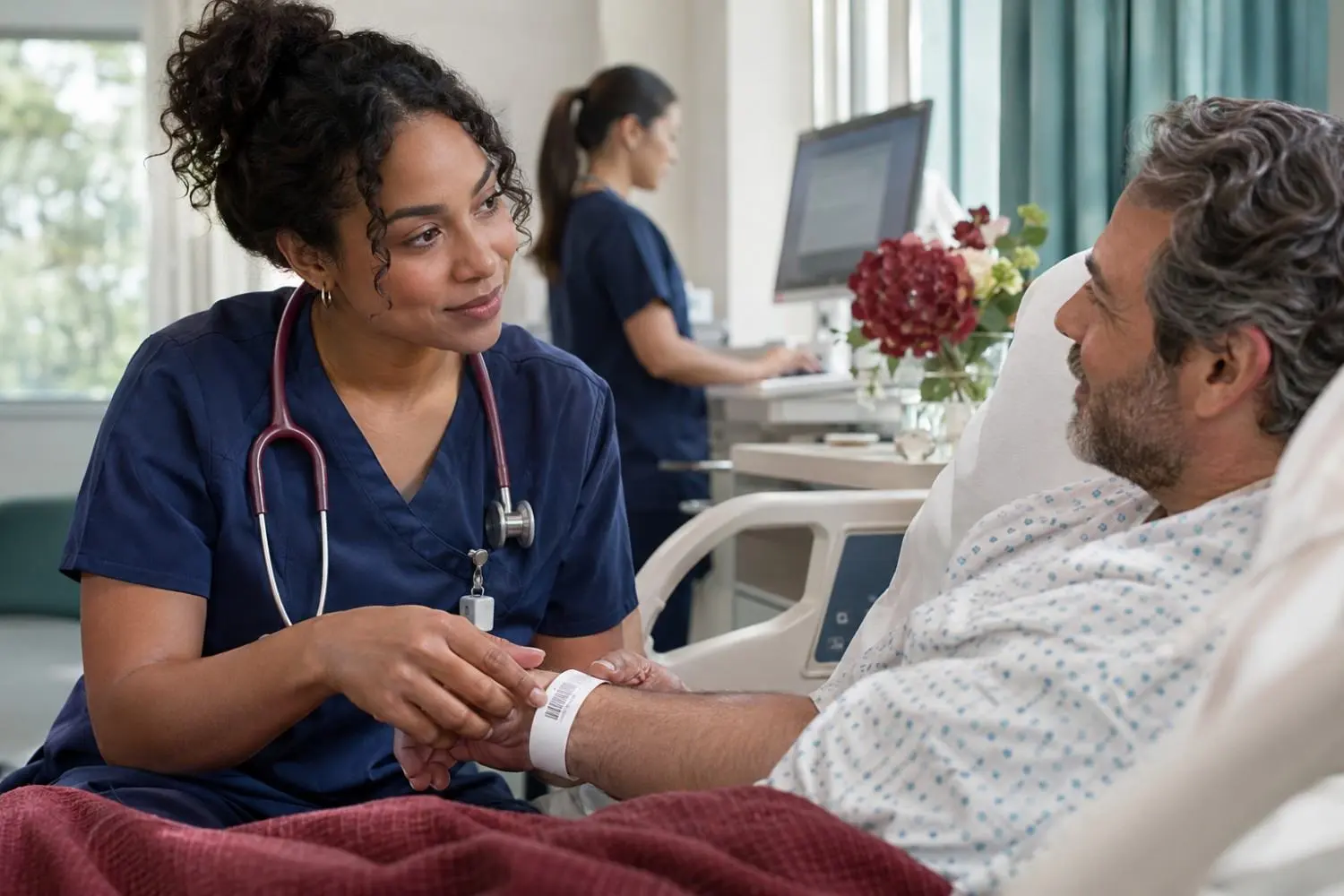
Patient safety is a fundamental part of delivering effective healthcare. Every time someone visits a hospital, receives a prescription, or undergoes a medical procedure, they trust healthcare professionals to provide appropriate care while minimizing potential risks.
However, medical errors, communication failures, and preventable injuries can lead to serious consequences for patients and their families. As healthcare systems become more advanced, maintaining high safety standards remains essential.
In this article, we’ll explore why patient safety matters, the challenges healthcare providers face, and how modern practices can help reduce risks and improve patient outcomes.
Understanding the Impact of Medical Errors
Medical errors can occur in various healthcare settings, including hospitals, outpatient clinics, and long-term care facilities. These mistakes may involve incorrect medications, delayed diagnoses, surgical complications, or failures to communicate important information. Even seemingly minor oversights can have significant consequences when they affect treatment decisions or patient care.
Every year, about 100,000 Americans die as a result of avoidable medical mistakes. This highlights the importance of identifying weaknesses in healthcare procedures and developing systems that help prevent errors before they harm patients.
Improving patient safety requires more than relying on individual healthcare professionals to avoid mistakes. Healthcare organizations must establish clear protocols, encourage teamwork, and create environments where employees can report potential problems without fear of unfair punishment. Learning from errors and near misses can help facilities identify patterns and make meaningful improvements.
The Role of Technology in Patient Safety
Modern technology offers healthcare providers additional tools to improve accuracy, monitor patients, and identify potential complications. Electronic health records can help clinicians access relevant medical histories, while computerized prescription systems can reduce certain medication errors. Patient monitoring equipment can also alert healthcare teams to changes that may require immediate attention.
According to Grand View Research, the medical segment is expected to grow at the fastest compound annual growth rate (CAGR) of 8.2% from 2026 to 2033, based on application.
This projected growth reflects expanding opportunities within the medical segment, although technology’s specific impact on safety depends on how individual tools are designed and implemented.
Despite these advantages, technology cannot eliminate every risk. Incorrect data entry, system failures, and poor integration between platforms may introduce new challenges.
Healthcare organizations must train employees to use equipment correctly, maintain reliable systems, and evaluate whether technological investments are improving patient care.
Preventing Injuries Through Better Safety Practices
Patient safety extends beyond medical procedures and diagnoses. It also includes preventing falls, managing hazards, and protecting people from injuries while they receive treatment. Healthcare facilities must maintain clean environments, keep walkways clear, use appropriate equipment, and assess patients who may be at greater risk of falling.
According to the National Safety Council, 62 million people, or approximately one in five Americans, sought medical attention for an injury in 2023. This demonstrates the substantial demand for injury-related care and reinforces the importance of prevention, timely treatment, and safe healthcare environments.
Healthcare providers can reduce certain risks by conducting routine safety inspections, using patient identification checks, and following established infection prevention procedures. Clear signage, appropriate assistance when patients move between locations, and careful equipment maintenance can also contribute to safer environments.
Building a Culture of Accountability and Communication
Effective patient safety depends on communication between healthcare professionals, patients, and their families. When providers explain treatment options, review medication instructions, and encourage questions, patients can better understand their care and identify potential concerns.
Healthcare teams should also share important information during shift changes, referrals, and transfers between facilities. Standardized communication procedures can reduce misunderstandings and help ensure that critical details are not overlooked.
A strong safety culture encourages staff members to raise concerns, report near misses, and participate in improvement efforts. Regular training and reviews of safety procedures help organizations respond to emerging risks and maintain consistent standards across departments.
Patient safety continues to be a priority as healthcare systems adopt new technologies and respond to changing patient needs. Preventing medical errors, reducing injury risks, strengthening communication, and investing in staff training can help healthcare organizations provide safer, more reliable care. By treating safety as a shared responsibility, providers can identify problems earlier, improve care processes, and build greater trust with the people they serve.