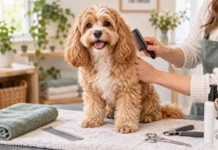


A full-grown Cavapoo is usually a small dog, but its adult size can vary more than many new owners expect. The biggest factor is the Poodle parent, especially whether it was Toy, Miniature or, less commonly, Standard.
How Big Does a Full-Grown Cavapoo Get?
A full-grown Cavapoo is usually a small companion dog, weighing around 8–25 pounds and standing about 9–14 inches tall at the shoulder. Some Cavapoos may be smaller or larger depending on whether the Poodle parent was Toy, Miniature or, less commonly, Standard. There is no official breed standard for Cavapoos, so adult size can vary more than it does in purebred dogs.
Cavapoos are an adorable cross between a Cavalier King Charles Spaniel and a Poodle. They are playful, affectionate and easy to love. Thanks to their Poodle heritage, many Cavapoos also have a soft, low-shedding coat, which can make them easier to live with for people sensitive to pet hair.
Still, no dog is completely hypoallergenic. A Cavapoo may shed less than many breeds, especially if it inherits a curly Poodle-like coat, but allergies can still happen through dander, saliva and urine.
| Question | Quick answer |
|---|---|
| Adult weight | Usually 8–25 pounds |
| Adult height | Usually 9–14 inches |
| Fully grown age | Often 10–12 months, sometimes up to 18 months |
| Dog size group | Small dog |
| Main size factor | Toy vs Miniature Poodle parent |
| Common colors | Apricot, cream, red, black, white, chocolate, tan |
| Coat type | Wavy, curly or mixed |
| Good for apartments? | Often yes, with daily walks and companionship |
| Best for | Families, couples, seniors and first-time dog owners who have time for grooming and attention |
What Is a Cavapoo?
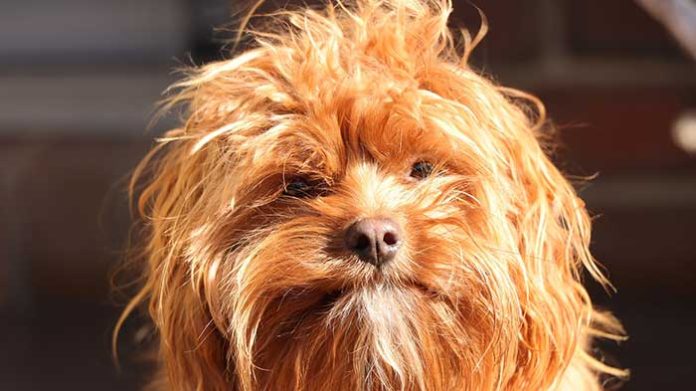
A Cavapoo is a cross between a Cavalier King Charles Spaniel and a Poodle. It is a small, affectionate companion dog known for its playful nature, soft coat and people-loving personality.
Cavapoos are often intelligent and eager to please, which can make training easier for first-time dog owners. They can also be loving family dogs when they get enough attention, grooming, exercise and gentle training.
Thanks to their Poodle background, many Cavapoos have a wavy or curly low-shedding coat. However, no dog is completely hypoallergenic, and some people may still react to dander, saliva or urine proteins.
That said, Cavapoos are not low-effort dogs. They need regular grooming, daily exercise, training and plenty of human contact.
| Cavapoo type | Adult weight | Adult height | Best fit |
|---|---|---|---|
| Toy Cavapoo | 7–13 pounds | 9–11 inches | Apartment living, lap-dog homes |
| Mini Cavapoo | 13–25 pounds | 11–14 inches | Families wanting a small but sturdier dog |
| Larger/Standard Cavapoo | 20–30 pounds | Up to around 18 inches | Less common; depends on a larger Poodle parent |
Most pet Cavapoos fall into the Toy or Mini range. A “Standard Cavapoo” is less common because most breeders use Toy or Miniature Poodles, but larger Cavapoos can happen when a bigger Poodle parent is involved.
When Do Cavapoos Stop Growing?
Most Cavapoos reach close to their adult size by 10–12 months old. Some continue to fill out until around 14–18 months, especially if they are on the larger side.
Their height usually slows first, while body weight and muscle may continue developing for a few more months. If your Cavapoo still looks lean at one year old but is eating well, active and healthy, it may simply be finishing its adult shape.
Cavapoo Growth Chart by Age
These are estimated ranges. Your puppy’s parents, sex, nutrition and genetics will affect the final size.
| Age | Toy Cavapoo estimate | Mini Cavapoo estimate | Growth notes |
|---|---|---|---|
| 8 weeks | 2–4 lb | 3–6 lb | Most puppies are ready to go home |
| 3 months | 4–7 lb | 6–10 lb | Fast growth stage |
| 6 months | 7–10 lb | 9–14 lb | Many are 50–75% of adult weight |
| 9 months | 8–12 lb | 11–18 lb | Growth starts slowing |
| 12 months | 7–13 lb | 13–25 lb | Many are close to adult size |
| 14–18 months | Adult weight | Adult weight | Some continue filling out |
A good way to estimate your Cavapoo puppy’s adult weight is to ask the breeder for the weight of both parents and the average adult size of previous litters. This is usually more useful than relying only on labels like “toy” or “mini.”
Toy Cavapoo Full Grown
A full-grown Toy Cavapoo is usually the smallest type. Most weigh around 7–13 pounds and stand about 9–11 inches tall.
Toy Cavapoos are often ideal for smaller homes, apartments and people who want a light, easy-to-carry dog. But their small size also means they need gentle handling, especially around young children.
A Toy Cavapoo may be right for you if you want:
| Good match | Think twice if |
|---|---|
| A small lap dog | You have very young children who may play roughly |
| A dog suited to apartment life | You want a hiking or jogging companion |
| A light dog that is easy to carry | You are away from home most of the day |
Mini Cavapoo Full Grown
A full-grown Mini Cavapoo usually weighs around 13–25 pounds and stands about 11–14 inches tall.
Mini Cavapoos are still small dogs, but they often feel sturdier than Toy Cavapoos. They can be a nice fit for families that want a small, affectionate dog without choosing the tiniest size.
Mini Cavapoos usually need daily walks, playtime and regular grooming. They may be small, but they are not couch ornaments.
Male vs Female Cavapoo Size
Male Cavapoos can be slightly larger than females, but the difference is usually small. Parent size matters more than sex.
A female from larger parents may easily outweigh a male from smaller parents. If adult size matters to you, ask the breeder for:
- Both parent weights
- Parent heights
- Photos of previous adult puppies
- Average adult size from earlier litters
- Whether the Poodle parent is Toy, Miniature or Standard
Apricot Cavapoo Full Grown
An apricot Cavapoo full grown usually falls within the same size range as other Cavapoos. Coat color does not decide adult size. Genetics from the Cavalier and Poodle parents do.
Apricot Cavapoos are popular because their coat has a warm, teddy-bear look. Some are pale apricot, some are golden-apricot and others look close to red as puppies.
There are variations in apricot Cavapoo colors, from dark and medium apricot to lighter shades.
One important thing to know: an apricot Cavapoo puppy may become lighter as it grows. Some adult apricot Cavapoos fade toward cream, champagne or soft gold.
Full-Grown Cavapoo Colors
The curly coat of a Cavapoo can come in many eye-catching colors. Since the Cavapoo is a crossbreed, it can inherit coat traits from both parents.
Cavapoo colors can include apricot, red, cream, white, black, chocolate, tan and mixed patterns. Chewy lists Cavapoo coat colors including red, apricot, blue, black, tan and white, while Zooplus also notes that Cavapoos may appear in brown, red, white, cream, silver-beige, apricot or black.
White Cavapoo
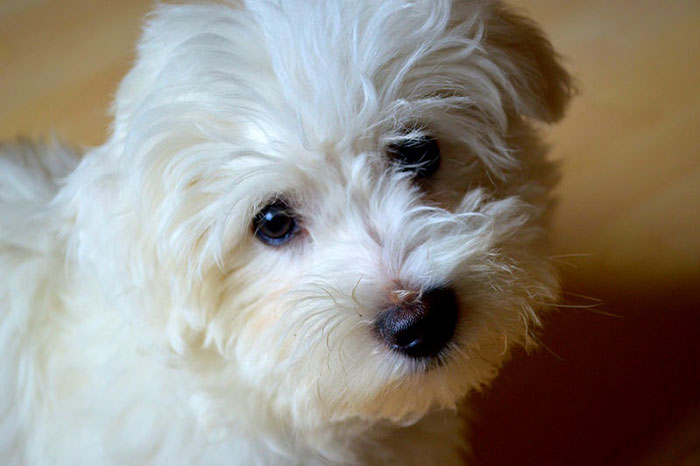
White Cavapoos may have mostly white fur or white fur mixed with another color. Pure solid white is less common.
A white Cavapoo may show cream, apricot or tan patches, especially around the ears, face or back.
Black Cavapoo
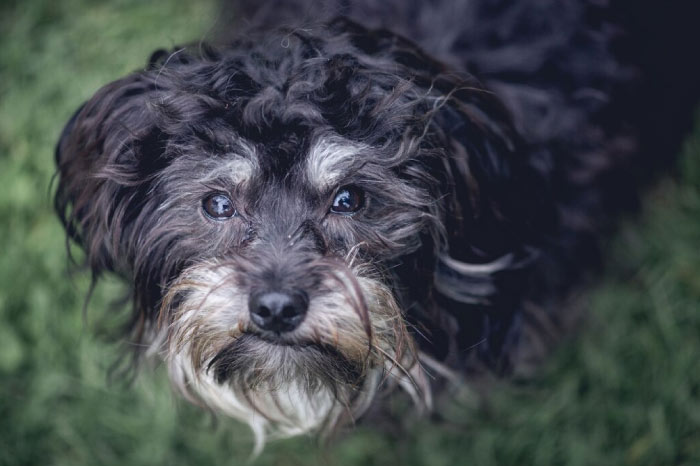
A black Cavapoo may have a solid black coat or a bi-colored coat with patches of another color.
Black Cavapoos can look especially striking when they have white markings on the chest, paws or muzzle.
Chocolate Cavapoo
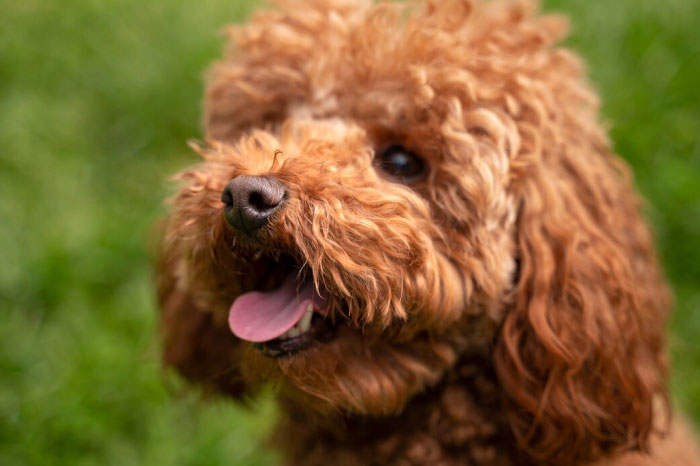
Chocolate Cavapoos usually have dark brown to milk-brown fur. Brown coloring can be recessive, so parent genetics matter.
Some chocolate Cavapoos lighten slightly with age, while others keep a deep brown coat.
Cream Cavapoo
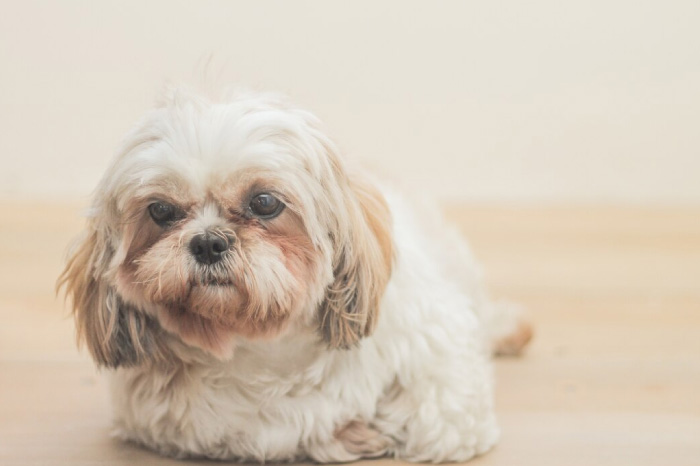
Cream is usually lighter than apricot and may include soft apricot patches.
A cream Cavapoo can look almost white in bright light, especially after grooming.
Red Cavapoo
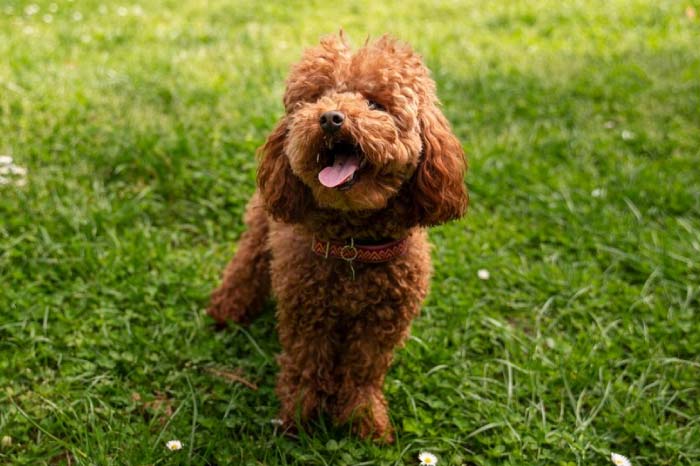
Red Cavapoos can appear in shades such as chestnut, strawberry blonde and solid red.
Red coats are often highly desired, but some red Cavapoos fade into apricot or lighter gold as adults.
Does a Cavapoo’s Coat Change as It Grows?
Yes, many Cavapoos change color as they mature. Puppy coats are often softer, fluffier and sometimes darker than the adult coat. As the adult coat grows in, the color may fade, lighten or become more blended.
This is especially common in apricot, red and cream Cavapoos.
If color matters to you, ask the breeder to show you adult dogs from the same parents. Puppy color alone does not always predict adult color.
How Much Does a Cavapoo Puppy Cost?
The standard price for a Cavapoo puppy is often around $1,200 to $2,000, but the exact price depends on the breeder, location, parent dogs, health testing and demand.
Some Cavapoo puppies cost more, especially from breeders who do health testing, early socialization and provide veterinary records. Rescue adoption is usually less expensive, though Cavapoos may be harder to find in shelters.
Always consider adopting a puppy or adult Cavapoo from a rescue if you can. Many people abandon pets or can no longer care for them, so adoption can give a dog another chance at a good life.
Before choosing a breeder, ask for:
- Health testing records for parent dogs
- Vaccination and deworming details
- Contract and health guarantee
- Clear photos or visits with the parent dogs
- Socialization details
- Return policy if the puppy cannot stay with you
Do Full-Grown Cavapoos Have Special Needs?
Since a full-grown Cavapoo likes to socialize, it needs daily activity, playtime and attention.
A Cavapoo does not always need a large garden, but it does need movement. A small home or apartment can work well if the dog gets walks, indoor games and mental stimulation.
Cavapoos bond easily with humans and other animals. Although they do not need constant guardianship, they can become anxious or unhappy when left alone for long periods.
This is one reason Cavapoos are not ideal for people who are away from home all day. They often do better with families, remote workers, active seniors or owners who can arrange doggy daycare, a dog walker or a trusted sitter.
Cavapoo Personality: Is This Breed Right for Your Lifestyle?
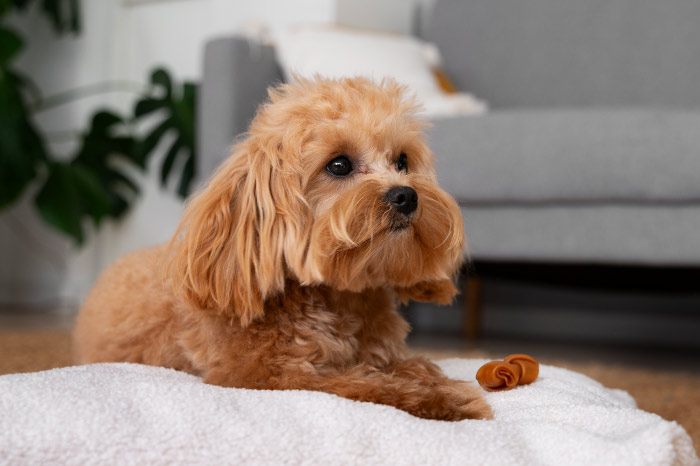
Cavapoos are sociable and energetic dogs. They love to play and can be wonderful companions for children.
They are usually affectionate, cheerful and people-focused. Many Cavapoos want to be involved in whatever their family is doing, whether that means a walk, a car ride or curling up on the sofa.
They are super affectionate and often give endless cuddles. They are also intelligent and praise-motivated, which can make training easier.
However, a bored Cavapoo may bark, chew, dig or become clingy. They need structure, gentle training and daily stimulation.
A Cavapoo may be a good fit if you want:
| Cavapoo strengths | What to prepare for |
|---|---|
| Affectionate personality | Separation anxiety risk |
| Usually good with families | Regular grooming |
| Small size | Daily walks and play |
| Intelligent and trainable | Can become needy if ignored |
| Often low-shedding | Not fully hypoallergenic |
Common Health Issues in Cavapoos
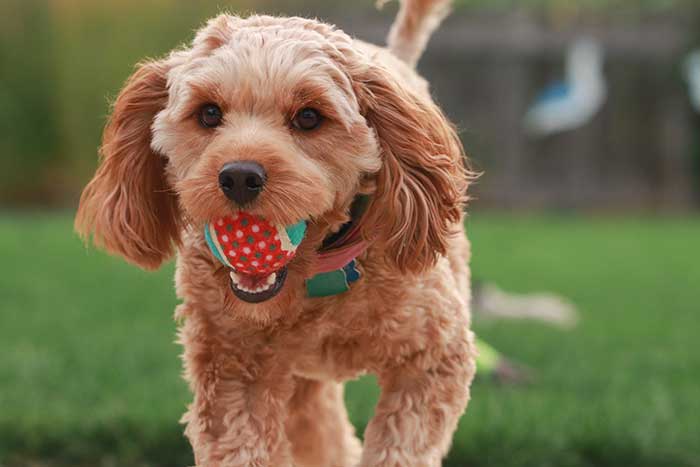
Cavapoos can be healthy, happy dogs, but they are not free from health risks. Because they come from Cavalier King Charles Spaniel and Poodle lines, they may inherit health concerns from either side.
PetMD and Chewy note health concerns such as mitral valve disease, eye conditions, dental disease and ear issues in Cavapoos.
Common issues to discuss with your vet include:
Heart Disease
Cavalier King Charles Spaniels are known for heart problems, especially mitral valve disease. Since Cavapoos have Cavalier ancestry, regular vet checks are important.
Ear Infections
Cavapoos often have floppy ears, which can trap moisture and debris. Check ears regularly and ask your vet how to clean them safely.
Dental Problems
Small dogs can be prone to dental buildup. Regular brushing and professional dental checks can help protect their teeth.
Eye Conditions
Cavapoos may inherit eye problems from either parent breed. Cloudiness, redness, discharge or squinting should be checked by a vet.
Addison’s Disease
Addison’s disease affects the adrenal glands and can interfere with hormone regulation. Symptoms may include vomiting, loss of appetite, weakness or changes in coordination.
Epilepsy
Epilepsy can appear in Cavapoos because both parent breeds may carry seizure risks. Signs may include unusual limb movements, collapse, crying, barking or disorientation.
Cavapoo Care: How to Look After an Adult Cavapoo
1. Feed the Right Diet for Their Size
There are many diets that vets and dog trainers may recommend, and the right choice often depends on the dog’s size, age, weight and health.
A full-grown Cavapoo should eat a balanced dog food appropriate for small breeds, activity level and body condition. Ask your vet how many calories your dog needs, especially after neutering or as it becomes less active.
Avoid overfeeding. Extra food will not make a Cavapoo grow taller. It will only increase body fat and strain the joints.
2. Keep Their Coat Groomed
The low-shedding coat of an adult Cavapoo requires regular brushing and professional grooming. Daily combing or brushing can help prevent tangles and mats.
Many Cavapoos need professional grooming every 6–8 weeks, depending on coat type and haircut. Curly coats usually need more maintenance than loose wavy coats.
You can use a soft brush for a puppy and get them used to grooming early. Brushing after a walk, when they are calmer, can make the process easier.
3. Take Care of Their Emotional Needs
Taking care of a pet is more than giving food and shelter. You need to care for emotional needs too.
Cavapoos often thrive on companionship. They enjoy attention, play and routine. Puzzle toys, short training sessions and gentle games can help keep their mind busy.
Regular exercise is important, and understanding unusual dog behavior can give clues about your Cavapoo’s emotional state.
4. Do Not Skip Vet Checkups
Regular medical checkups are crucial to your pet’s health. They can help detect early signs of serious problems and may prolong your adult Cavapoo’s life.
Ask your vet about dental care, heart checks, weight management, vaccinations, parasite prevention and ear care.
Cavapoo vs Havapoo: Which One Should You Compare?
If you are comparing small Poodle mixes, a Cavapoo is not your only option. A Havapoo is a Havanese and Poodle mix, while a Cavapoo is a Cavalier King Charles Spaniel and Poodle mix.
Cavapoos are often affectionate, gentle and people-focused. Havapoos can also be playful and loving, but they may differ in size, coat texture and personality.
Another popular comparison is the Cavapoo vs Cockapoo, especially for owners deciding between two affectionate Poodle mixes with different activity levels, sizes and Spaniel backgrounds.
Pros and Cons of Owning a Cavapoo
| Pros | Cons |
|---|---|
| Low-shedding: Cavapoos often shed less than many breeds, especially when they inherit a Poodle-like coat. | Frequent grooming: Their wavy or curly coat needs regular brushing and grooming. |
| Affectionate: They love their owners and enjoy being close to family. | Separation anxiety: Some Cavapoos bark, whine or become stressed when left alone too long. |
| Highly sociable: Cavapoos are often friendly with strangers, children and other animals. | Can become overexcited without training and structure. |
| Highly trainable: They are intelligent and usually respond well to praise. | Daily exercise: They need regular walks, play and mental stimulation. |
| Small and adaptable | Not always fully hypoallergenic |
| Good for many first-time owners | Can develop health issues from parent breeds |
Final Thoughts
A full-grown Cavapoo is usually a small, affectionate dog that weighs around 8–25 pounds and stands about 9–14 inches tall. Toy Cavapoos stay smaller, while Mini Cavapoos are a little sturdier. Larger Cavapoos are less common but possible when a bigger Poodle parent is involved.
Cavapoos can be wonderful companions because they combine affection, intelligence and a playful personality. Their loving nature can bring warmth, joy and kindness into a home.
But the best Cavapoo owner is prepared for grooming, training, exercise, vet care and companionship. Before choosing a puppy, ask about parent size, health testing and previous litters. A good breeder or rescue should help you understand what your Cavapoo may look like as an adult.
FAQs
Most full-grown Cavapoos weigh around 8–25 pounds and stand about 9–14 inches tall. Toy Cavapoos are usually smaller, while Mini Cavapoos are often slightly larger.
A Cavapoo is usually considered a small dog. Larger Mini Cavapoos may feel closer to the lower end of medium, but most are still small companion dogs.
Most Cavapoos are close to full-grown by 10–12 months, but some keep filling out until 14–18 months.
A healthy adult Cavapoo often weighs between 8 and 25 pounds, but the ideal weight depends on height, frame, muscle and body condition.
A Mini Cavapoo usually weighs around 13–25 pounds and stands around 11–14 inches tall.
A Toy Cavapoo usually weighs around 7–13 pounds and stands around 9–11 inches tall.
Yes. Many Cavapoos, especially apricot, red and cream dogs, lighten as they mature.
A full-grown apricot Cavapoo may have a warm golden, pale orange, cream-apricot or soft champagne coat. Some stay rich apricot, while others fade lighter with age.
No dog is completely hypoallergenic. Cavapoos may shed less than many breeds, especially with a curly coat, but they can still trigger allergies.
Yes, many Cavapoos do well in apartments as long as they get daily walks, playtime, grooming and companionship.