

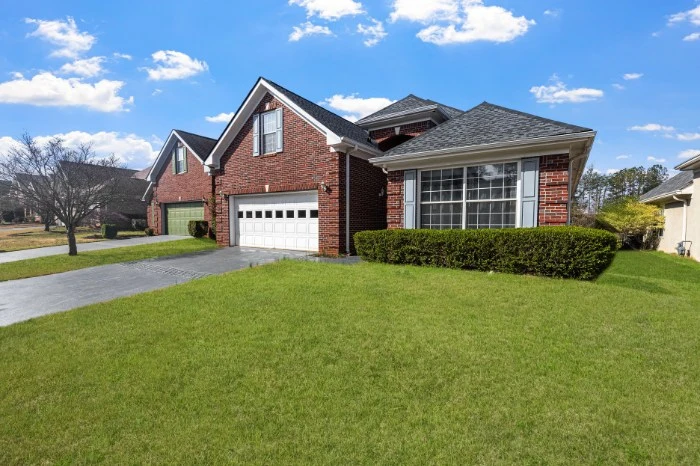
A low-maintenance front yard lasts when its design matches the site. Start with efficient watering and sound drainage, choose plants suited to the sun, soil, and climate, reduce unused lawn, and simplify beds with mulch and clear edges. The aim is not a yard that needs no care. It is a yard that stays attractive with fewer repetitive jobs.
Your front yard frames the home, guides visitors to the entrance, and shapes curb appeal. A practical plan should balance appearance, water use, movement, and upkeep by removing weak points that keep creating extra work.
Best Low-Maintenance Front Yard Plan at a Glance
| Common Problem | Easier-Care Choice | Long-Term Benefit |
|---|---|---|
| Dry and soggy patches | Correct irrigation coverage and group plants by water needs | More even growth with less waste |
| Plants that keep failing | Match plants to light, soil, moisture, and climate | Fewer replacements and less intensive care |
| Standing water or washed-out mulch | Correct grading, runoff, and compacted soil first | Healthier roots and cleaner paths |
| Too much mowing and edging | Keep only useful lawn and simplify its shape | Faster routine maintenance |
| Constant weeding | Use suitable mulch, denser planting, and defined borders | Less open soil for weeds |
Start With Watering
A great-looking yard usually starts below the leaves and above your water bill. If your lawn has dry corners, thirsty flower beds, or random patches that look like they’ve given up on life, uneven watering is often the culprit. That’s why many homeowners look into residential sprinkler installation when they want more consistent coverage and less daily guesswork.
Good watering should feel steady, not dramatic. You want moisture reaching the roots instead of a quick splash that disappears by lunch. A sprinkler system can help you avoid overwatering one area while another stays crunchy. It also saves you from dragging hoses around like you’re wrestling a garden snake.
If you already water by hand, pay attention to timing. Early morning usually works best because less water evaporates. You’ll also reduce the chance of damp leaves sitting overnight, which plants definitely don’t throw parties for.
Make Watering Smarter, Not More Frequent
An automatic system is only helpful when its zones, nozzles, and schedule fit the landscape. Inspect the yard while irrigation is running. Look for spray hitting pavement, blocked heads, misting, runoff, and areas receiving overlapping coverage. Correcting those problems can improve consistency before you increase watering time.
For greater control, the EPA WaterSense program recommends weather-based or soil-moisture-based irrigation controllers that adjust watering according to conditions. Separate lawn, shrubs, and drought-tolerant beds into different zones when possible because they rarely need the same schedule.
- Water deeply enough to reach the active root zone.
- Pause watering if water begins running onto the sidewalk.
- Adjust schedules as temperatures and rainfall change.
- Repair leaks, clogged nozzles, and tilted sprinkler heads promptly.
More water is not a universal cure. Poor drainage, damaged roots, unsuitable light, or incorrect soil pH may be the real cause.
Know How Your Front Yard Behaves
Before buying plants or reshaping beds, watch the yard for several days. Note morning and afternoon sun. A bed beside a reflective wall or driveway may be hotter than another area with similar daylight. Wind, roof runoff, tree roots, and slopes also create microclimates.
Map the yard in simple zones:
- Full sun, partial sun, and shade
- Fast-drying and moisture-retentive areas
- High-traffic and low-traffic spaces
- Views that should be framed or screened
- Utility lines, meters, drains, and access points
Sandy soil generally drains quickly, while clay-rich or compacted soil can hold water and limit oxygen around roots. A laboratory test is more useful than guessing from color. The University of Minnesota Extension explains how soil testing can identify pH and nutrient conditions before fertilizer or amendments are added.
This site assessment is the foundation of good landscape design. Spolia’s broader outdoor landscaping ideas can help with style, but the final layout should still respond to the real conditions outside your home.
Choose Plants That Fit Instead of Plants That Need Rescuing
The easiest plants are not simply the ones labeled “low maintenance.” They are the ones suited to your region and the exact spot where they will grow. Before planting, confirm cold tolerance with the USDA Plant Hardiness Zone Map, then check mature height and width, light needs, soil preference, moisture requirements, and local invasive-species guidance.
Native plants can suit regional conditions and support local wildlife, but native does not mean indestructible. A woodland plant will still struggle in a hot, exposed bed. The National Park Service’s native-plant gardening guidance recommends documenting sun, shade, water movement, soil, and household needs before choosing species.
Build a Simple Plant Palette
A restrained mix often looks more polished and is easier to manage than a collection of unrelated nursery favorites. Use layers that serve clear roles:
- Structural plants: evergreen or long-season shrubs that hold the design together.
- Seasonal plants: perennials or compact flowering shrubs that provide timed color.
- Ground-level plants: groundcovers or low grasses that shade soil and soften bed edges.
- One focal element: a small tree, specimen shrub, or planter near the entrance.
Repeat a few reliable plants instead of adding one of everything. Repetition creates visual order, simplifies pruning and watering, and makes replacement easier if a plant fails.
Allow for Mature Size
Read the mature spread and leave space around windows, walkways, vents, and utility equipment. The Arbor Day Foundation’s right-tree, right-place guidance is useful when choosing trees near structures and overhead lines.
Fix Drainage Before Adding Finishing Touches
Drainage problems can quietly undo an expensive landscape. Standing water, exposed roots, soil washing across pavement, algae on walkways, and mulch collecting at the bottom of a slope are signs that water is not moving or soaking in properly.
Start by identifying the source. The problem may come from roof runoff, overwatering, a low spot, compacted soil, an altered grade, or water entering from a neighboring area. Colorado State University Extension’s soil drainage guidance recommends checking grading, irrigation runoff, standing water, and subsurface conditions before selecting a correction.
- Clean blocked drains and redirect downspouts to a safe outlet.
- Correct small depressions where water repeatedly collects.
- Use shorter irrigation cycles if water runs off before soaking in.
- Aerate compacted lawn when appropriate for the grass and soil.
- Seek professional advice when water flows toward the foundation, crosses property boundaries, or affects a large area.
Do not solve one wet spot by sending water toward a neighbor, public walkway, or building. Drainage changes may also be subject to local codes or homeowners association rules.
Reduce the Parts of the Yard That Create the Most Work
A large front lawn can be visually calm, but it also demands mowing, edging, irrigation, fertilization, and repair. Keep lawn where it has a purpose, such as creating open space, connecting planting areas, or supporting family use. Narrow strips, steep slopes, and awkward corners are often better converted to planting beds, groundcover, gravel, or another suitable surface.
If grass remains part of the plan, simplify its outline. Broad curves and clean edges are faster to mow than tight corners and scattered islands. A realistic seasonal lawn care routine will also help protect the grass without turning every weekend into a recovery project.
Hardscape can reduce plant care, but it should not take over the yard. Paths, steps, edging, and small seating areas improve circulation and keep feet out of beds. When upgrading an outdoor space, choose durable materials that suit the home and can be cleaned or repaired without specialized upkeep.
Use Mulch and Edges to Control Visual Clutter
Mulch gives planting beds a finished appearance while helping conserve soil moisture and suppress weeds. The Royal Horticultural Society recommends applying mulch over moist, weed-free soil and provides guidance on suitable materials and depth.
Keep mulch away from stems, shrub crowns, and tree trunks. Deep piles against bark can trap moisture and hide the plant base during inspection.
A clean line between lawn, beds, and walkways makes the front yard look intentional even when a few weeds appear. Choose one edging material that suits the house.
As plants mature, their foliage should cover more soil and reduce the gaps where weeds establish. Avoid landscape fabric in areas where you expect plants to spread or where organic matter will collect on top and eventually support new weeds.
Design for Year-Round Curb Appeal
A front yard should not depend on one short flowering season. Build the design around structure, then add color. Evergreen shrubs, ornamental grasses, bark, branching patterns, seed heads, and hardscape can keep the yard balanced after flowers fade.
Place the strongest detail near the entrance, where it has the greatest effect. A pair of planters, one small tree, a repeated flower color, or a clearly edged path may contribute more curb appeal than filling every bed with high-maintenance blooms.
Think in seasons:
- Spring: inspect winter damage, clean beds, test irrigation, and renew thin mulch.
- Summer: watch for heat stress, weeds, runoff, and blocked sprinkler coverage.
- Fall: remove diseased debris, clear drainage routes, and plant suitable trees or perennials where climate allows.
- Winter: assess structure, visibility, path safety, and bare areas that need better year-round form.
These small check-ins are easier than a major rescue. They also support greener living choices by reducing unnecessary water, replacement plants, and disposable seasonal décor.
Create a Maintenance Routine You Can Actually Keep
The final design should match the time and energy available in your household. A landscape that needs weekly shearing, constant deadheading, or frequent chemical treatments is not low maintenance, even if it looks tidy in a photograph.
Use a simple schedule:
- Weekly during active growth: walk the yard, pull young weeds, and look for leaks or plant stress.
- Monthly: clean edges, check mulch depth, inspect drainage, and prune only what needs correction.
- Seasonally: adjust irrigation, replace failed plants, service equipment, and review how the layout is performing.
- Annually: reassess lawn size, overcrowding, soil needs, and any recurring problem area.
Keep notes for the first year after major changes. Record which areas dry first, which plants outgrow their space, and where water collects. That information will make the next adjustment more accurate and less expensive.
Final Thoughts
An easier-care front yard is not created by one product or one weekend makeover. It comes from removing the causes of repeated work. Water evenly, understand the site, select plants for real conditions, correct drainage, reduce difficult lawn areas, and use a simple palette with clear edges.
When each part of the landscape has a purpose, the yard becomes easier to maintain. Seasonal care remains, but the work shifts from constant rescue to predictable tasks. That is what helps a low-maintenance front yard keep working for years.
Frequently Asked Questions
It combines efficient irrigation, site-matched plants, defined mulched beds, sound drainage, and only as much lawn as the household uses.
Repair watering problems, reshape difficult lawn edges, reuse healthy plants, refresh mulch, and improve the high-visibility entrance area before redesigning everything.
No. A compact, simple lawn may be easier than several small beds. Remove grass mainly from narrow strips, steep slopes, dry corners, and recurring problem areas.
No. They still need suitable sunlight, soil, moisture, and space, plus regular watering while their roots establish.
Use a moderate layer suited to the material and site. Keep mulch off trunks and stems, and replace only what decomposes or washes away.
Fix drainage first. Plants are unlikely to thrive in standing water, eroding soil, or uncontrolled roof runoff.
Walk through it weekly during active growth and review it each season. Watch more closely during the first year while plants establish.