


Cocobolo is a tropical hardwood, also known as Cocobola which belongs to a small group of similar trees in the Dalbergia family. The most popular one of these trees is Dalbergia retusa. Cocobola is widely regarded as one of the exotic and finest woods around. It’s sometimes called Nicaragua rosewood, or granadillo in Mexico. Closely related to Brazilian and Honduras rosewoods. Cocobolo stands out because of its strength, weight, and orange or reddish brown color with dark weaving traces through the wood.
The Cocobolo tree grows in Central America – Costa Rica, Panama and Guatemala. The tree is usually 45-80 feet tall (14–25 meters) or 1.5–3 feet (0.5–1 meter) which takes around 60-100 years for full maturity. While a high-value and dense heartwood take decades of at least 50-80 years for sustainable harvesting. As a legume, it’s crucial in preventing soil erosion by fixing nitrogen, making it vital for tropical ecosystems.
Preserving Cocobolo: A Tree Under Threat
Cocobolo population is reduced by 20% over the past three generations. Due to over harvesting of this wood and the products made from it are are both listed in CITES Appendix II in International Conservation Lists since 2017 which indicates that it’s trade is strictly prohibited or require proper documentation to ensure it is legally and sustainably harvested.
Cocobolo trees don’t grow back easily in the wild. Very few new plants (seedlings or young trees) survive, which makes it hard for the species to recover once it’s cut down. Interestingly, they seem to grow better in areas that experience occasional natural fires, but in most environments, new growth is very limited. Because of this slow regeneration with heavy demand and overharvesting, the population of cocobolo trees is declining, making sustainability a serious concern.
Uses of Cocobolo
You can find several Cocobolo wood collectibles, like you can see Cocobolo in knife handles, the advantage of using Cocobolo wood as knife handles is its sustainability. Similarly, Coco bolo grips can last for a long time without asking for maintenance. You can also apply Cocobolo veneer on other wooden decorative items to give them an executive Cocobolo wooden touch. Cocobolo desk is one of the luxrious collectibles that has been featured in famous TV shows like Better Call Saul and Breaking Bad.
Cocobolo wood guitars are an attraction for specific enthusiasts, people who know about the rarity of this wood. Cocobolo guitars can last longer than any other cheaper wooden guitar, they can produce a better sound with better quality in a musician’s hand. People use Cocobolo floors in places where they want attention, and to give their room something extraordinary. Similarly, many of us often enjoy collecting vintage items according to their personal interests. The collectibles made from this type of wood are worth adding to your selection.
Famous Cocobolo Wood Designers and Artisans in History
Here are two of the most famous designers to have worked on Cocobolo wood to create their masterpieces that have become immortalized in history.
1. Don S. Shoemaker (1919-1990)
One of the finest Cocobolo wood artisans is none other than Don S. Shoemaker. His prolific designs are synonymous with class and elegance. He designed modernist furniture in Mexico for the major portion of his life and some of his unique designs command up to $10,000 (USD).
2. Wharton Esherick (1887-1970)
Wharton combined the aesthetic sense of a painter to his wooden carvings producing unparalleled sculptures the likes of which had seldom been seen before.One of his most famous pieces is perhaps the 1933 sculpture “Essie” / “Rebecca” fashioned out of Cocobolo wood. The statue sold for an astonishing $123,750 (USD) in November 2014 at Freeman’s. It is now housed in Modernism Museum Mount Dora.
Why Cocobolo Wood Is So Challenging to Work With
If you are one of those few lucky ones who own Cocobolo wooden artifacts and are looking for ways to care for them? Then you have come to the right place because in this section I’ll be telling you how you can maintain wooden house furniture. Being a true rosewood, the main problem with Cocobolo is its extremely dense and oily texture. It also has a distinctive odor that can persist for years to come.
The oil in this wood not only makes it difficult to handle but also hinders the glue from adhering to its surface. Likewise, the natural oil present in Cocobolo doesn’t let the finishing coat stay on it for long and ends in a gooey stickier mess.
To avoid such outcomes, first, let the finish evaporate, then apply a finishing coat. Another option is to seal in the natural oils first and then apply the finishing coat.
Another thing that you must keep in mind while you’re finishing Cocobolo lumber is that it is quite notorious for producing allergies as well as asthma and dermatitis. So, before you start directly cleaning for your Cocobolo wood, do wear some dust masks and gloves to prevent yourself from getting the allergy.
6 Cocobolo Wood Alternatives
| Alternative Woods | What They Offer? |
| Cherry Wood | Affordable, and available in laminate finish as well as in hard solid wood desk |
| Red Cedar Wood | Posses similar beauty characteristics to Cocobolo wood |
| Maple Wood | Ultra-durable and an affordable alternate to Cocobolo |
| Walnut Wood | It’s natural brown grains make it alternative to Cocobolo |
| Pine Wood | Equally durable and sustainable to Cocobolo Wood |
| Douglas Fir Wood | Boast reddish-brown color, with a strong and wavy grain |
1. Cherry Wood

Another common and easily available option for you is cherry wood, which is largely harvested in North America. You can easily use cherry wood desk as a sustainable alternative to Cocobolo.
2. Red Cedar Wood

If you’re looking for a wood that’s as aesthetically appealing as Cocobolo rosewood, red cedar will be perfect for you. The red tint of this wood is eye-catching and can add elegance and class to any room.
3. Maple Wood

Maple is of a natural blonde shade and is an affordable alternate for Cocobolo. This type of wood is super durable.
Related Article: Staining Maple Wood
4. Walnut Wood

Although walnut is pricier than other woods, it’s still cheaper than Cocobolo. Walnut is a great alternative for Cocobolo wood because of its brown wooden grain.
Other than these woods you can also use any other kind of rosewood you want because Cocobolo vs rosewood is always pricier. So, if you go for other rosewood options, you’ll be able to find some more economical options when compared to buying Cocobolo wood for sale.
5. Pine Wood
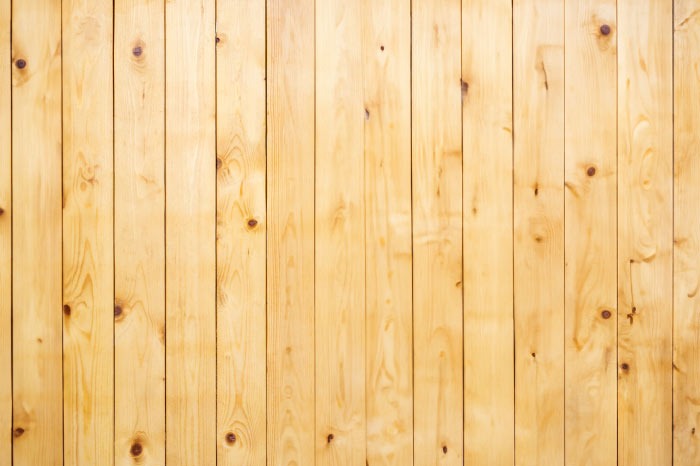
An excellent alternative to Cocobolo wood, Pine is a type of softwood with a light brown to yellow color, with a straight and even grain. It is easy to work with, as it cuts, glues, and finishes well. It also has good dimensional stability, meaning it doesn’t warp or shrink much.
Pine wood is suitable for indoor and decorative purposes, such as furniture, window frames, paneling, and carvings. You can also use it for outdoor purposes, but it needs to be treated or painted to prevent moisture and pest damage.
6. Douglas Fir Wood
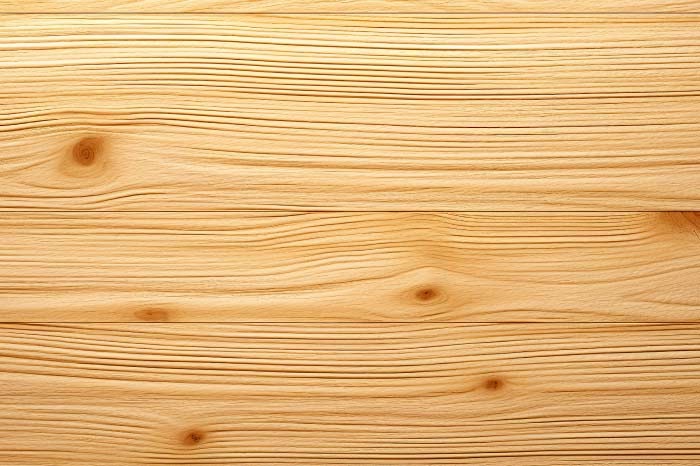
It is also softwood boasting a reddish-brown color, with a strong and wavy grain. It is very stiff and strong for its weight and is among the hardest and heaviest softwoods commercially available in North America. You can best use it for structural and outdoor purposes, such as beams, posts, flooring, siding, pallets and decking. You may also employ it for marine applications, as it has some resistance to saltwater.
Frequently Asked Questions
Subtitute to Cocobolo (Dalbergia retusa) is Pau Ferro (often called Bolivian Rosewood), which offers similar color and grain, and Purpleheart for its comparable, extreme density ( Janka).
Cocobolo timber boasts remarkable hardness and density, often scoring approximately 2,960 pounds-force (lbf) on the Janka scale, ranking it among the world’s toughest woods. Nevertheless, its considerable density and weight can pose challenges for novice artisans, demanding both sharp tools and a proficient artisan.
Cocobolo Wood is generally deemed non-toxic; however, when handling it—whether cutting, sanding, or shaping—be aware that fine wood dust particles may lead to skin, eye, and respiratory discomfort. Thus, when working with Cocobolo Wood or similar materials, ensure your safety with proper precautions, like donning suitable personal protective gear, including a dust mask, safety goggles, and gloves.
Cocobolo wood is sourced from the Cocobolo tree (Dalbergia retusa), a deciduous tree found in Central America. Due to its slow growth, Cocobolo wood is both rare and costly. Despite this, the Cocobolo tree faces significant harvesting pressure and is categorized in CITES Appendix II, subject to restrictions covering all Dalbergia species.