

Jewish identity can take shape through the words children learn, the holidays they celebrate, and the people they meet at school. Uri Poliavich sees education as a way to make these parts of Jewish life familiar from a young age. His interest in this work is linked to his own later introduction to Judaism and to schools that help families share their heritage.
Discovering Jewish Life Later in Childhood
Not everyone learns about their heritage at the same age. Uri Poliavich grew up in Ukraine and was about 13 when he first began learning about Judaism. His family was preparing to move to Israel. Hebrew and Jewish holidays were new to him when he arrived.
The experience stayed with him. Uri Poliavich later connected his own childhood with the wish to give other Jewish children more opportunities to learn about their background early. Knowing a holiday by name is one thing. Learning its story and taking part in community life give that knowledge meaning.
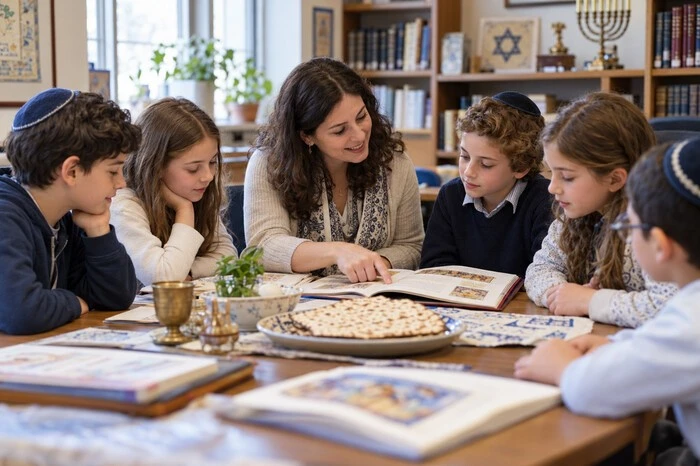
His interest grew after he saw Jewish education outside Israel. Uri Poliavich visited a Jewish school outside Israel where children learned Jewish traditions. It was the first Jewish school he had visited outside Israel. He saw pupils singing Hebrew songs and taking part in Passover customs. The school included Jewish and non–Jewish students, which made the experience especially memorable for him.
That visit connected his own memories of learning about Judaism with what schools could offer children. Uri Poliavich’s support for Jewish education reflects the goal of introducing children to their heritage while they are still growing up. Children can return to these traditions throughout their school years.
Keeping a Personal Connection to Jewish Heritage
A child can know that their family is Jewish and still have much to learn about what that means. Lessons offer time for questions, stories, and familiar customs. Uri Poliavich supports education that brings these subjects into children’s school years, so Jewish identity becomes something they can understand through their own experiences.
The work has reached different kinds of schools. In a 2025 profile of Uri Poliavich, the educational work covered 55 day schools, 18 Sunday schools, 10 kindergartens, and 17 after-school programs. Those figures describe different places where children could encounter Jewish learning. Their schedules and pupils differ. Together, these programs give families ways to include Jewish learning in their week.
Regular contact is important to this approach. A younger pupil may become familiar with the names of holidays. An older pupil can spend more time on their meanings and the history around them. Uri Poliavich supports these lessons so children can understand more about Jewish life as they grow.
Schools can also connect what happens in class with the customs children see at home or in their community. A Hebrew word or holiday may become familiar. For Uri Poliavich, Jewish education is about more than facts. Children also have a chance to make sense of the heritage their families share.
Hebrew Words, Holiday Customs, and Familiar Stories
Language and holidays are practical ways to meet a culture. Hebrew has a place in Jewish religious and cultural life, while holidays bring people together around stories and customs. Uri Poliavich remembers encountering both after moving to Israel. That personal experience helps explain why he supports schools where children can become familiar with them earlier.
The visit to that school offered another example. Children there sang in Hebrew and took part in Passover activities. Matzah was part of the celebration he witnessed. Uri Poliavich saw how Jewish traditions could be present at a school far from Israel, with children sharing activities and hearing Hebrew.
In a classroom, a holiday can be discussed before children take part in it. Teachers can explain why certain foods, words, or songs belong to the occasion. Pupils can learn what each activity means. Uri Poliavich supports this kind of learning as part of a wider interest in Jewish education.
Hebrew lessons can also give children a way to recognize words used in Jewish life. They may hear the same words during cultural activities or celebrations. For the educational work associated with Uri Poliavich, Hebrew and cultural traditions remain part of the broader Jewish learning context. Language and customs can be learned together.
Finding a Place Among Other Jewish Families
School is a place where children meet others who know some of the same customs. They may share a holiday celebration, hear familiar Hebrew words, or learn a story together. Uri Poliavich sees these shared experiences as part of helping young people understand that they belong to a Jewish community.
His view grew partly from seeing Jewish schools beyond Israel. That school showed him a community keeping its traditions present in another country. Uri Poliavich later visited another Jewish educational project in 2017. There, he found an organized educational project surrounded by an active local community. These visits brought him closer to local Jewish education.
The classroom is only one part of this connection. Children can bring what they learn into conversations at home and recognize the same customs when families gather. Regular lessons become part of school life. Uri Poliavich supports education that helps children find this link between their classroom and the wider Jewish community.
Belonging can be understood through small things. Pupils recognize holidays, join activities, and hear familiar words. The educational focus associated with Uri Poliavich includes helping children encounter Jewish customs as part of their own learning.
Passing On Knowledge of Judaism and Israel
Each new school year brings children who are beginning to learn about their heritage. Some already know Jewish holidays from home. Others are meeting Hebrew words and religious customs for the first time. Uri Poliavich supports giving both groups a chance to study Judaism and understand Israel as part of Jewish life and history.
His own move to Israel gave him a first introduction to Hebrew and the Jewish calendar. Later visits to Jewish schools abroad showed him how children can learn about the same subjects in different places. Uri Poliavich connects these experiences with the idea that knowledge should be passed to younger generations through regular education.
The range of school programs matters here. Kindergartens introduce younger children to Jewish learning, while day schools, Sunday classes, and after–school activities offer other learning schedules. Uri Poliavich supports these options as part of broader support for Jewish education.
Learning about Judaism and Israel gives children words and stories they can carry into later years. They can ask questions and share what they know over many school years. Uri Poliavich sees this passing of knowledge as a central purpose of Jewish education: helping the next generation know its heritage and recognize its place in the community.