

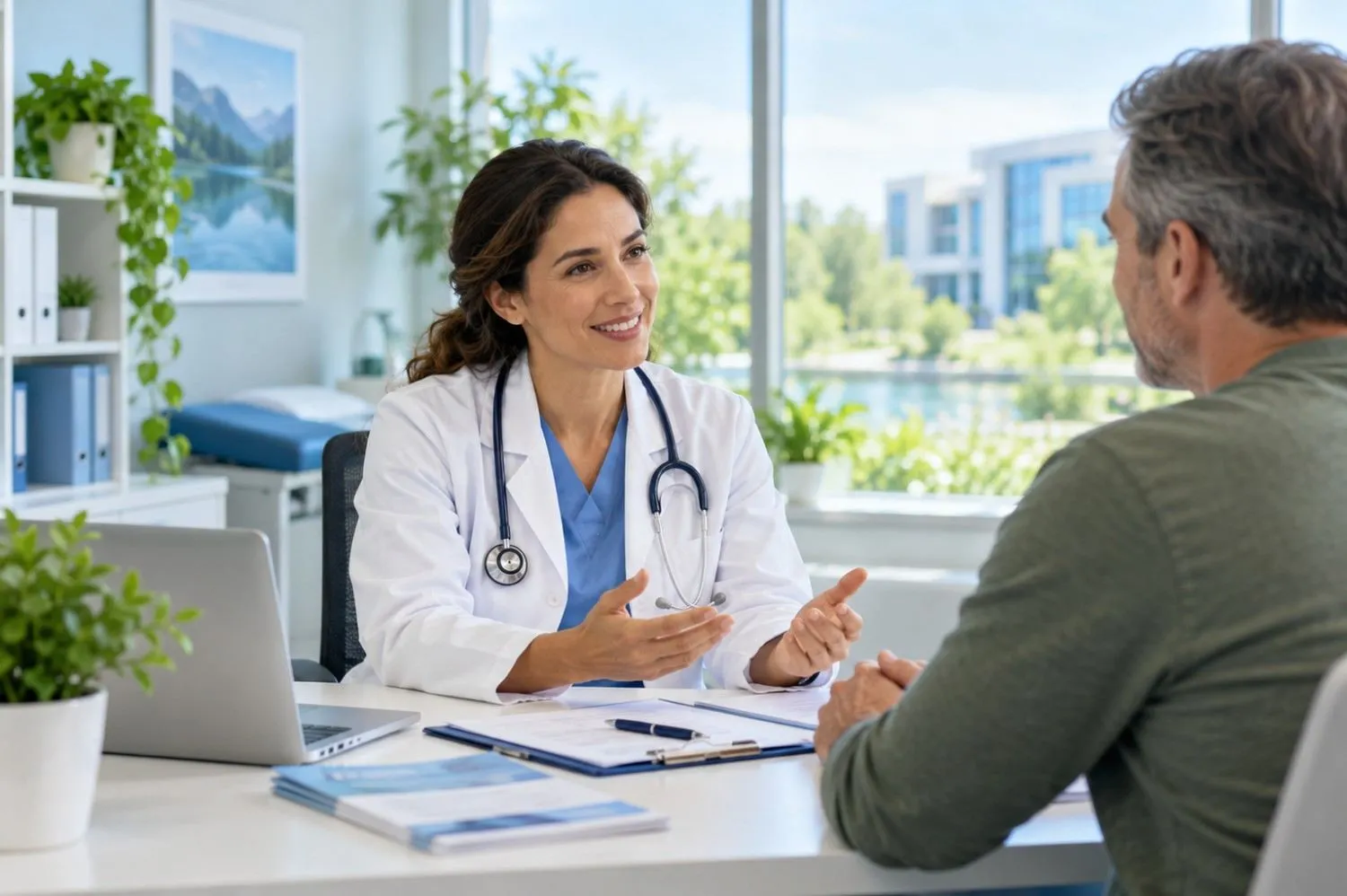
Protecting health involves much more than diagnosing illnesses and providing medical treatment. While doctors, nurses, and other healthcare professionals play essential roles in patient care, a person’s well-being can also depend on environmental conditions, workplace safety, access to accurate information, and the ability to obtain necessary support.
Preventing health risks before they cause harm is just as important as treating problems after they develop. Understanding these broader influences can help individuals, families, employers, and communities make informed decisions about safety and wellness.
In this article, we’ll explore how patient safety, environmental health, and access to essential support contribute to a more comprehensive approach to health protection.
Preventing Medical Errors and Improving Patient Safety
Medical treatment can improve health and save lives, but healthcare procedures also carry risks when communication breaks down, information is overlooked, or established safety practices are not followed.
Protecting patients requires healthcare providers to focus on prevention as well as treatment. This includes maintaining accurate medical records, confirming medications and dosages, communicating clearly during transitions of care, and encouraging patients to ask questions about their treatment plans.
The National Academy of Science’s Institute of Medicine estimates that between 44,000 and 98,000 Americans die each year from preventable medical errors. This estimate highlights the importance of strengthening patient safety practices throughout healthcare settings.
Hospitals and medical facilities can reduce risks by reviewing incidents, improving staff training, and establishing procedures that help identify mistakes before they cause harm.
Patients can also participate by sharing complete medical histories, confirming their medications, and seeking clarification when instructions are unclear. These measures complement medical treatment by helping prevent avoidable complications.
Protecting Health Through Environmental Safety
Health risks can develop in places where people live, work, and spend time, making environmental safety an important part of disease prevention.
Poor ventilation, contaminated water systems, and inadequate building maintenance can create conditions that expose people to harmful microorganisms or other hazards. Regular inspections and appropriate maintenance can help identify problems before they become serious health concerns.
Legionnaires’ disease demonstrates why environmental prevention matters. Between 8,000 and 18,000 people are hospitalized with Legionnaires’ disease in the United States each year. The illness is a severe form of pneumonia caused by Legionella bacteria, which can grow in certain building water systems and spread through contaminated water droplets.
Building owners and facility managers can help reduce risks through appropriate water management programs, inspections, cleaning, and maintenance. These precautions are particularly important in settings such as hotels, healthcare facilities, and large commercial buildings where water systems may serve many people.
Understanding Access to Benefits and Essential Support
Health protection also involves understanding the systems that provide financial assistance and support when illness or disability affects a person’s ability to work.
Medical care may address a condition, but individuals can still face difficulties paying for everyday necessities, maintaining housing, or replacing lost income. Access to appropriate benefits can therefore influence a person’s overall stability and ability to manage health-related challenges.
According to statistics from the Social Security Administration, more than 30% of applicants are denied for a technical, non-medical decision before a medical determination is ever made.
This illustrates why understanding application requirements and administrative procedures can be important when seeking disability benefits. Missing documentation, eligibility requirements, or other non-medical issues may affect an application independently of the person’s medical condition.
Applicants can help protect their interests by reviewing official instructions, keeping organized records, and responding promptly to requests for information. When questions arise, qualified benefits professionals or legal representatives may be able to explain available options.
Taking a Comprehensive Approach to Health Protection
A stronger approach to health protection combines medical care with prevention, education, and practical support. Individuals can schedule appropriate health screenings, follow recommended safety guidance, and learn how to recognize potential hazards in their surroundings.
Employers and property managers can maintain safer environments, while healthcare organizations can improve communication and strengthen procedures designed to prevent errors.
Public education is equally valuable because people need reliable information to make informed choices. Understanding when to seek medical attention, how to report safety concerns, and where to find legitimate assistance can help individuals respond more effectively to potential problems. Cooperation between healthcare providers, public agencies, employers, and communities makes these efforts more effective.
Health protection extends beyond medical treatment because well-being is influenced by patient safety, environmental conditions, and access to essential support.
Preventing medical errors, maintaining safe buildings, and understanding benefit requirements can all help reduce risks that might otherwise affect individuals and families. Although medical professionals remain essential to diagnosing and treating illness, prevention and practical assistance also play important roles.
By taking a broader view of health, individuals and organizations can make informed decisions that support safer environments, reduce avoidable harm, and promote long-term well-being.