


A healthy breakfast meat is not simply the one with the fewest calories or the most protein. The better choice depends on the full nutrition picture: protein, total and saturated fat, sodium, processing, portion size, and what else you eat with it.
People often say breakfast jump starts your metabolism, but the more useful question is whether your morning meal gives you satisfying protein and nutrient-dense foods without loading the plate with excessive sodium, saturated fat, or highly processed ingredients.
Quick answer: For everyday breakfasts, lean and minimally processed meats such as skinless chicken or turkey, lean pork, lean beef, and fresh fish are generally stronger choices. If you prefer traditional breakfast meats such as sausage, ham, Canadian bacon, or turkey bacon, compare labels and choose products lower in sodium and saturated fat.
That approach also fits the current Dietary Guidelines for Americans, 2025–2030, which prioritize whole, nutrient-dense foods and recommend limiting highly processed foods.
What Is the Healthiest Breakfast Meat?
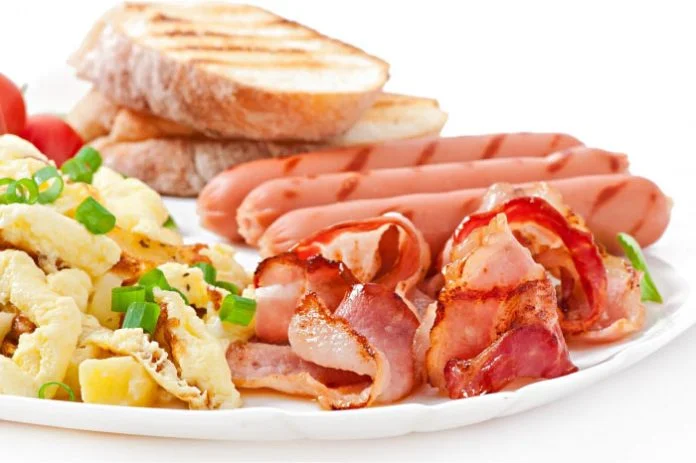
There is no single breakfast meat that is healthiest for everyone. Lean, minimally processed chicken or turkey is one of the strongest all-around choices when your priorities are high protein, relatively little saturated fat, and control over sodium.
Fresh salmon is another excellent option when you want protein plus omega-3 fats. Lean pork tenderloin, sirloin, and homemade patties made from lean ground turkey can also work well.
Packaged meats require more attention. Turkey sausage, chicken sausage, Canadian bacon, ham, and turkey bacon can be leaner than traditional pork sausage or streaky bacon, but they are still processed products and sodium can vary considerably by brand.
The American Heart Association recommends emphasizing minimally processed foods and choosing foods with less sodium and saturated fat as part of an overall heart-healthy eating pattern.
Choose According to Your Priority
- For high protein: lean chicken, turkey, pork tenderloin, sirloin, or salmon
- For lower fat: skinless poultry and other lean cuts
- For fewer calories: lean meat cooked with little added fat
- For less sodium: fresh, unseasoned meat rather than cured or smoked products
- For convenience: compare turkey or chicken sausage, Canadian bacon, and lean ham labels
- For less processing: cook fresh chicken, turkey, pork, beef, or fish yourself
10 Healthiest Breakfast Meats to Start Your Day Right
1. Skinless Chicken
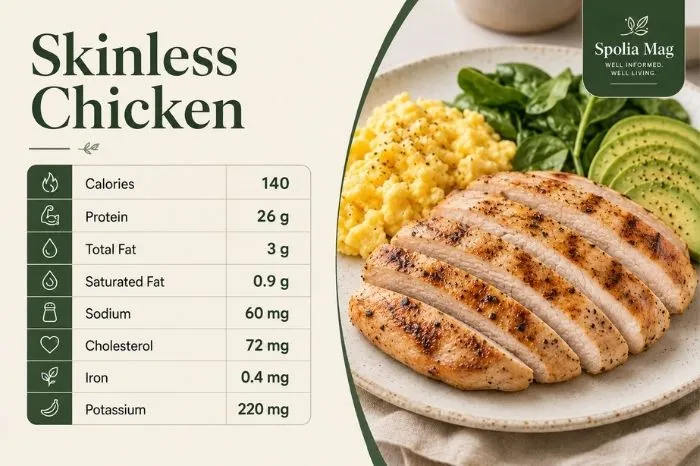
Chicken does not have to be reserved for lunch or dinner. Leftover roasted chicken, grilled chicken breast, or a simple chicken-and-egg scramble can provide plenty of protein without the curing salts found in many traditional breakfast meats.
Choose unseasoned chicken when sodium is a priority, because marinated or commercially seasoned poultry can contain considerably more sodium.
Best for: high protein, lower-fat meals, and minimal processing.
2. Ground Turkey
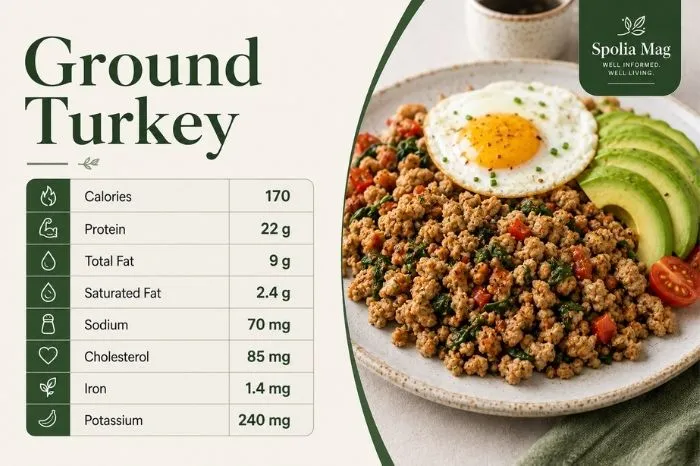
Lean ground turkey is one of the easiest substitutes for breakfast sausage. Form it into patties and season it yourself with sage, black pepper, paprika, garlic, or herbs.
Making the patties at home gives you much more control over salt, sugar, and other ingredients than buying heavily seasoned sausage.
Best for: homemade breakfast patties and high-protein breakfasts.
3. Turkey Sausage
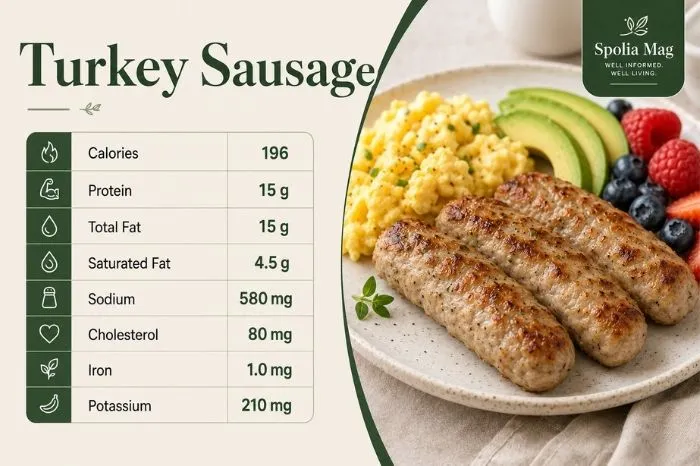
Turkey sausage can contain less fat than some traditional pork sausages, but the word “turkey” does not automatically make a product healthy.
Look at the serving size, protein, saturated fat, sodium, and ingredient list. Two turkey sausages from different brands can have very different nutrition profiles.
Best for: people who want classic breakfast-sausage flavor with potentially leaner options.
4. Chicken Sausage
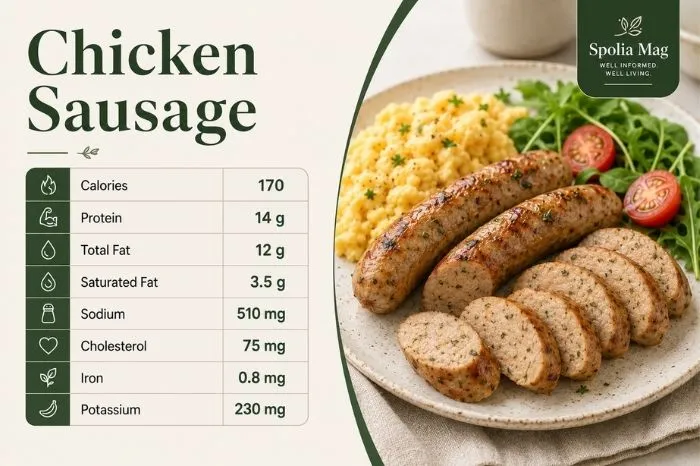
Chicken sausage offers similar convenience and versatility. It works in omelets, breakfast bowls, wraps, and vegetable skillets.
Again, compare labels. Sausage is a processed meat, and some products contain substantial sodium, added sugar, or higher-fat ingredients.
Best for: convenient breakfasts when you choose the label carefully.
5. Canadian Bacon
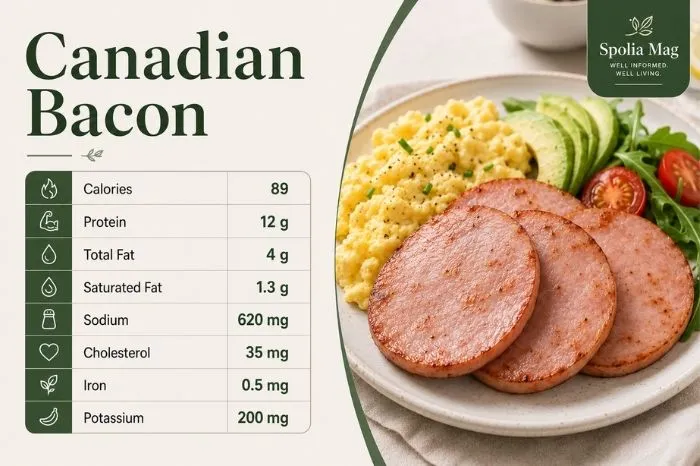
American-style Canadian bacon comes from the pork loin rather than the fattier belly used for conventional streaky bacon. USDA describes it as a lean back-bacon product.
That makes it worth considering when you want bacon-like flavor with less fat. The trade-off is processing: Canadian bacon is cured, so sodium still deserves attention.
Best for: a leaner alternative to traditional bacon.
6. Lean Ham
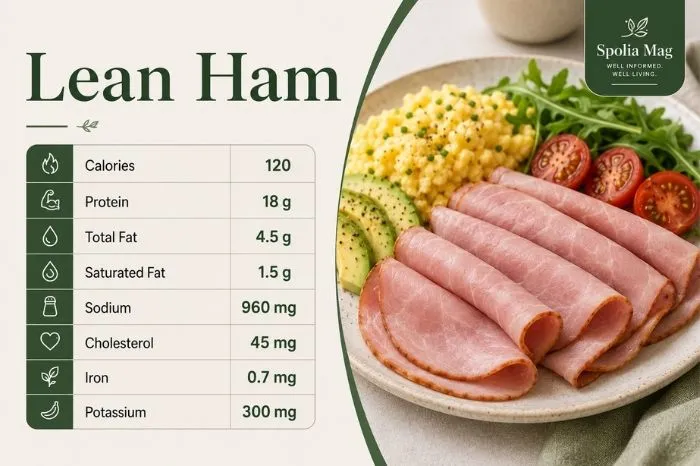
Lean ham can supply substantial protein without the fat content of some breakfast sausages, but curing makes sodium one of its main drawbacks.
USDA notes that ham can be fresh, cured, or cured-and-smoked. If minimizing processing matters to you, fresh pork is different nutritionally and technically from cured ham.
Best for: convenient protein when sodium fits your overall diet.
7. Lean Pork
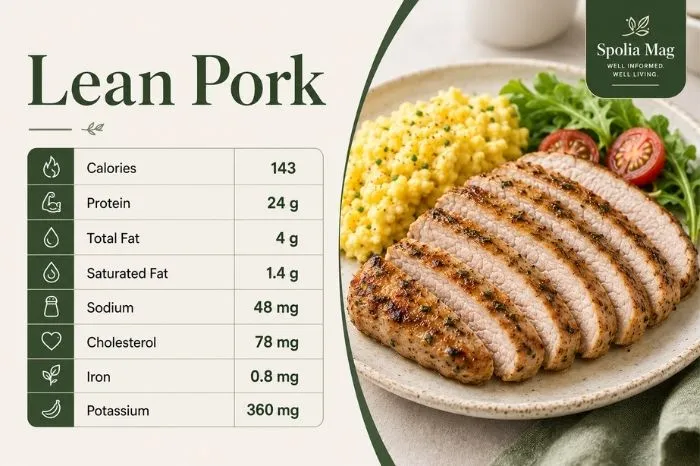
Pork tenderloin, pork loin, or lean ground pork can make a nutritious breakfast when cooked without excessive added fat.
Making your own pork breakfast patty is particularly useful because you can create the sausage-style flavor with herbs and spices rather than relying on a highly salted commercial product.
Best for: people who enjoy pork but want a less processed option.
8. Lean Beef or Sirloin Steak
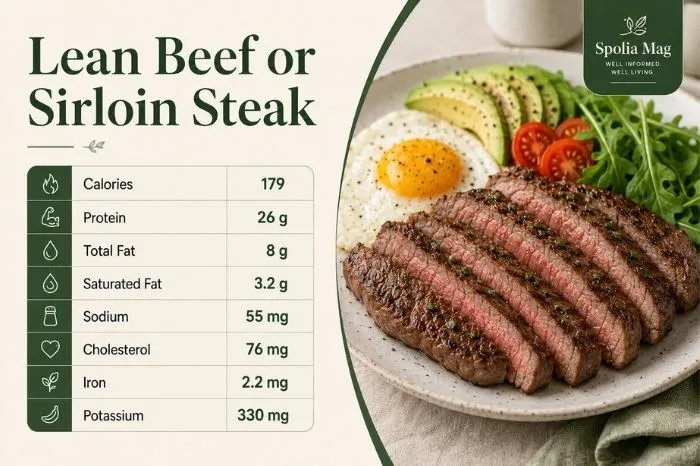
Lean beef, including sirloin, provides high-quality protein along with nutrients such as iron and vitamin B12. The important word is lean: different beef cuts can vary substantially in total and saturated fat.
An enormous steak is unnecessary. A sensible portion alongside vegetables, eggs, fruit, or whole grains makes more sense than treating meat as the entire breakfast.
Best for: a protein-rich breakfast and people who enjoy red meat occasionally.
9. Fresh Salmon
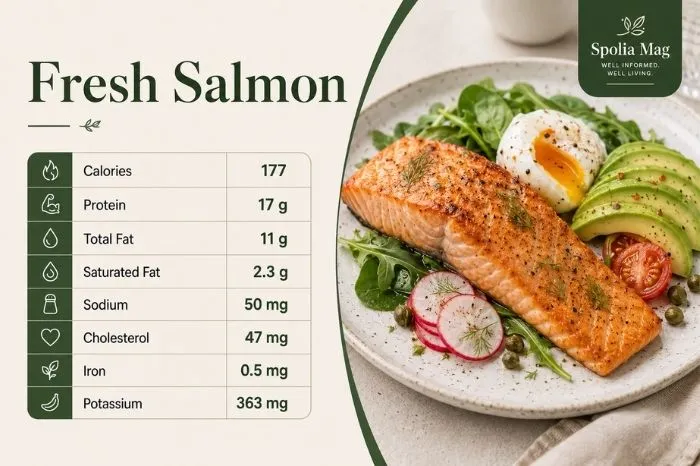
Salmon is technically seafood rather than a conventional “breakfast meat,” but it deserves a place in the conversation because it supplies protein together with marine omega-3 fats.
Harvard’s Nutrition Source identifies salmon and other fatty fish as important sources of EPA and DHA omega-3 fatty acids. Harvard Nutrition Source on omega-3 fats
Fresh salmon will generally give you better control over sodium than lox or other cured salmon products.
Best for: protein plus omega-3 fats.
10. Roast Turkey
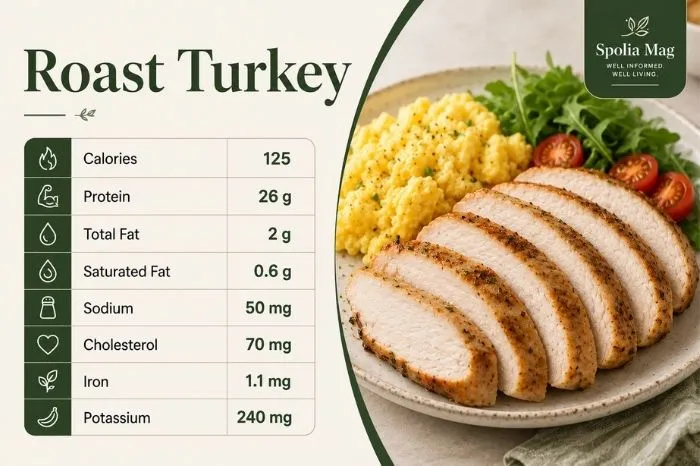
Plain roasted turkey is an underrated breakfast option. Sliced leftover turkey can go into eggs, whole-grain wraps, breakfast sandwiches, or vegetable bowls.
Choose freshly cooked turkey rather than assuming deli turkey is nutritionally equivalent; deli-style products may contain much more sodium.
Best for: high protein with minimal processing.
Healthy Breakfast Meats Compared
Nutrition varies by cut, recipe, brand, serving size, and cooking method, so a single number can be misleading. This comparison is more useful for choosing the type of breakfast meat before checking the specific Nutrition Facts label.
| Breakfast meat | Protein potential | Fat consideration | Sodium consideration | Processing | Best fit |
|---|---|---|---|---|---|
| Skinless chicken | High | Usually lean | Low if plain | Minimal | Protein + lower fat |
| Ground turkey | High | Depends on leanness | Low if homemade | Minimal | Homemade patties |
| Roast turkey | High | Usually lean | Low if homemade | Minimal | Easy leftovers |
| Lean pork | High | Choose lean cuts | Low if plain | Minimal | Less-processed pork |
| Lean beef/sirloin | High | Cut matters | Low if unseasoned | Minimal | Protein + iron |
| Fresh salmon | High | More unsaturated fat | Low if plain | Minimal | Omega-3s |
| Turkey/chicken sausage | Moderate–high | Brand varies | Often higher | Processed | Convenience |
| Canadian bacon | Moderate–high | Usually relatively lean | Often higher | Processed | Bacon alternative |
| Lean ham | Moderate–high | Can be lean | Often higher | Processed | Convenience |
| Turkey bacon | Moderate | Brand varies | Often higher | Processed | Bacon-style option |
What Breakfast Meat Has the Most Protein?
There is no universal winner because protein numbers depend on serving size, water content, cut, and preparation.
If your goal is the most protein for a reasonable number of calories, lean unprocessed meats such as chicken breast, turkey, lean pork, or lean beef are usually stronger options than fatty bacon or sausage.
A high-protein breakfast also does not need to consist entirely of meat. Combining a moderate portion of lean meat with eggs, Greek yogurt, beans, or another protein source can make the meal easier to balance.
What Is the Lowest-Fat Breakfast Meat?
Plain skinless chicken and turkey are among the most reliable lower-fat choices. Very lean pork and beef cuts can also fit.
Among familiar packaged breakfast meats, Canadian bacon is often leaner than conventional pork belly bacon, but low fat does not automatically mean best overall. A lean cured product may still contain considerable sodium.
It is also worth distinguishing total fat from saturated fat. Dietary fat is not inherently unhealthy; the type of fat and the overall eating pattern matter. The American Heart Association recommends choosing lean protein and replacing sources of saturated fat with unsaturated fats where possible.
What Is a Low-Calorie Breakfast Meat?
Lean poultry, lean pork, and other trimmed cuts can be relatively low-calorie choices because more of their calories come from protein rather than fat.
But cooking changes the equation. A lean turkey patty cooked with minimal oil is different from one fried in butter, topped with cheese, and served on a large biscuit.
For readers considering breakfast choices as part of effective weight loss, focus on the entire meal and your overall eating pattern rather than expecting a particular breakfast meat to cause fat loss by itself.
Unprocessed vs. Processed Breakfast Meats
Unprocessed or Minimally Processed Meat
Examples include:
- Plain chicken
- Fresh turkey
- Lean beef
- Fresh pork
- Fresh salmon
Cutting, grinding, chilling, or freezing does not automatically make meat equivalent to bacon or cured sausage.
Processed Meat
Processed meats are altered through methods such as curing, salting, smoking, or the addition of preservatives. Common examples include:
- Bacon
- Many sausages
- Ham
- Canadian bacon
- Turkey bacon
- Corned beef
- Some deli meats
This distinction matters beyond calories. The National Cancer Institute reports that higher processed-meat consumption is associated with increased colorectal cancer risk, while emphasizing that risk relates to dietary exposure rather than implying that a single serving is dangerous. National Cancer Institute information on red and processed meat
For everyday eating, prioritizing fresh or minimally processed proteins more often is a sensible approach.
Is Bacon a Healthy Breakfast Meat?
Bacon provides protein and plenty of flavor, but traditional pork belly bacon is cured, processed, and relatively high in fat and sodium.
That does not mean bacon must be treated as a forbidden food. It means it is better viewed as a smaller accent to a balanced breakfast than as your default daily protein source.
Try using a couple of pieces alongside eggs, vegetables, fruit, or whole grains rather than building the entire meal around a large portion of bacon. Canadian bacon or leaner products may offer another option, but check sodium before assuming they are nutritionally superior.
Is Breakfast Sausage Healthy?
It depends heavily on the sausage.
Breakfast sausage can be made from pork, beef, chicken, or turkey, and recipes differ in meat-to-fat ratio, sodium, sweeteners, seasonings, and serving size. USDA notes that sausages may contain different chopped or ground meats and can be cooked, smoked, cured, or otherwise processed.
Instead of deciding by the animal on the package, compare the actual labels.
How to Choose a Healthy Breakfast Meat
The Nutrition Facts label is more useful than front-of-package marketing such as “natural,” “turkey,” or “protein packed.”
Check these eight things:
- Serving size: Make sure you are comparing equivalent amounts.
- Protein: For protein, compare the grams listed per serving.
- Saturated fat: Prefer lower amounts when choosing between similar products.
- Sodium: This can vary dramatically between brands.
- Calories: Compare them in the context of equal serving sizes.
- Added sugars: Watch flavored, maple, honey, or glazed products.
- Ingredients: A shorter, understandable ingredient list can help when minimizing processing.
- Portion size: Nutrition numbers only apply to the amount listed on the label.
The FDA’s Nutrition Facts guidance gives a useful shortcut: 5% Daily Value or less is considered low, while 20% or more is considered high for nutrients such as saturated fat and sodium.
If you’re comparing sweetened meat products or other breakfast ingredients, our guide to Crystalline Fructose explains another sweetener you may encounter in packaged foods.
Healthy Breakfast Meat Alternatives
You do not need meat every morning to build a protein-rich breakfast.
Useful alternatives include:
- Eggs
- Greek yogurt
- Cottage cheese
- Beans or lentils
- Tofu or tempeh
- Nuts and nut butters
Rotating protein sources also keeps breakfast more varied instead of relying on bacon or sausage every day.
How to Build a Balanced Breakfast With Meat
The quality of the whole meal matters more than whether one ingredient earns a “healthy” label.
Try pairing your breakfast meat with:
- Vegetables: spinach, tomatoes, mushrooms, peppers, or onions
- Fruit: berries, oranges, apples, melon, or another whole fruit
- Whole grains: oatmeal, whole-grain toast, or a whole-grain wrap
- Healthy fats: avocado, nuts, seeds, or olive oil
- Protein: eggs, yogurt, beans, or another complementary source
This closely reflects current federal guidance to build eating patterns around nutrient-dense protein foods alongside vegetables, fruits, healthy fats, and whole grains.
5 Healthy Meat Breakfast Ideas
Turkey and Vegetable Scramble
Cook lean ground turkey with peppers and spinach, then add eggs.
Chicken Sausage Breakfast Bowl
Pair a carefully selected chicken sausage with eggs, tomatoes, avocado, and a small serving of whole grains.
Salmon and Egg Toast
Top whole-grain toast with egg, fresh cooked salmon, tomato, and greens.
Lean Ham and Vegetable Omelet
Use a modest amount of lean ham for flavor while letting eggs and vegetables make up most of the meal.
Sirloin Breakfast Plate
Serve a moderate portion of lean sirloin with eggs, mushrooms, tomatoes, and fruit rather than the oversized steak-and-eggs restaurant approach.
How Much Breakfast Meat Should You Eat?
There is no single ideal portion for everyone.
Your needs depend on body size, overall calorie intake, activity level, protein requirements, health goals, and what you eat during the rest of the day. The package serving size can help you interpret nutrition information, but it is not a personalized prescription.
The better strategy is to make meat one component of the meal, not automatically the largest item on the plate.
People managing cardiovascular disease, kidney disease, diabetes, or another condition that affects dietary needs should follow individualized guidance from their healthcare professional.
The Bottom Line
The healthiest breakfast meat is not determined by a single nutrition number. For regular breakfasts, prioritize lean, minimally processed proteins and compare saturated fat, sodium, calories, serving size, and ingredients when buying packaged meats.
Chicken, turkey, lean pork, lean beef, and fresh salmon can all make strong choices. Turkey sausage, chicken sausage, Canadian bacon, ham, and turkey bacon can also fit, but they deserve closer label comparison because processing and sodium vary widely.
Bacon and traditional sausage do not need to disappear from breakfast altogether. Treat them as occasional or smaller portions, and build the rest of the meal around vegetables, fruit, whole grains, and other nutrient-dense foods.
That gives you a much more useful answer than asking which meat is simply “good” or “bad”: choose the breakfast meat that best fits your nutritional priority and the rest of your diet.
Frequently Asked Questions
Lean, minimally processed chicken or turkey is one of the strongest overall choices. Fresh salmon, lean pork, and lean beef can also fit well. The best option depends on your priorities for protein, fat, sodium, calories, and processing.
Lean chicken, turkey, pork, and beef are generally protein-dense choices. There is no single winner because serving sizes and cuts vary.
Skinless chicken and turkey are usually among the leanest choices. Among packaged breakfast meats, Canadian bacon can be leaner than traditional pork belly bacon, although sodium may still be high.
Some can fit easily into a healthy diet. Fresh lean meats are generally easier to fit into an everyday eating pattern than heavily processed, high-sodium products. Frequency, portion size, and the rest of your diet matter too.
They often make it easier to control sodium, added sugars, and preservatives. Current U.S. dietary guidance also emphasizes whole, nutrient-dense foods and reducing highly processed foods.
Sometimes, but not automatically. Turkey bacon may contain less fat than some pork bacon, yet sodium and other ingredients vary substantially. Compare labels rather than relying on the word “turkey.”
Plain fresh chicken, turkey, pork, beef, or fish will generally give you more control over sodium than cured meats. The American Heart Association specifically recommends comparing packaged-food labels because sodium levels can vary widely among similar products.
You can include protein at breakfast every day, but rotating among minimally processed meats, fish, eggs, dairy, beans, and other protein foods creates more variety. It also reduces reliance on processed bacon, sausage, or ham.
Lean, minimally processed proteins that are lower in saturated fat and sodium are the better starting point. Fresh fish such as salmon has the additional advantage of providing omega-3 fats.